- Races
- Classes
- Tinkers
- Kender Pockets
- Knight of Solamnia
- Wizards of High Sorcery
- The Moons
- The Heavens - Good
- The Heavens - Neutral
- The Heavens - Evil
- The River of Time
- Downloads
Draconians
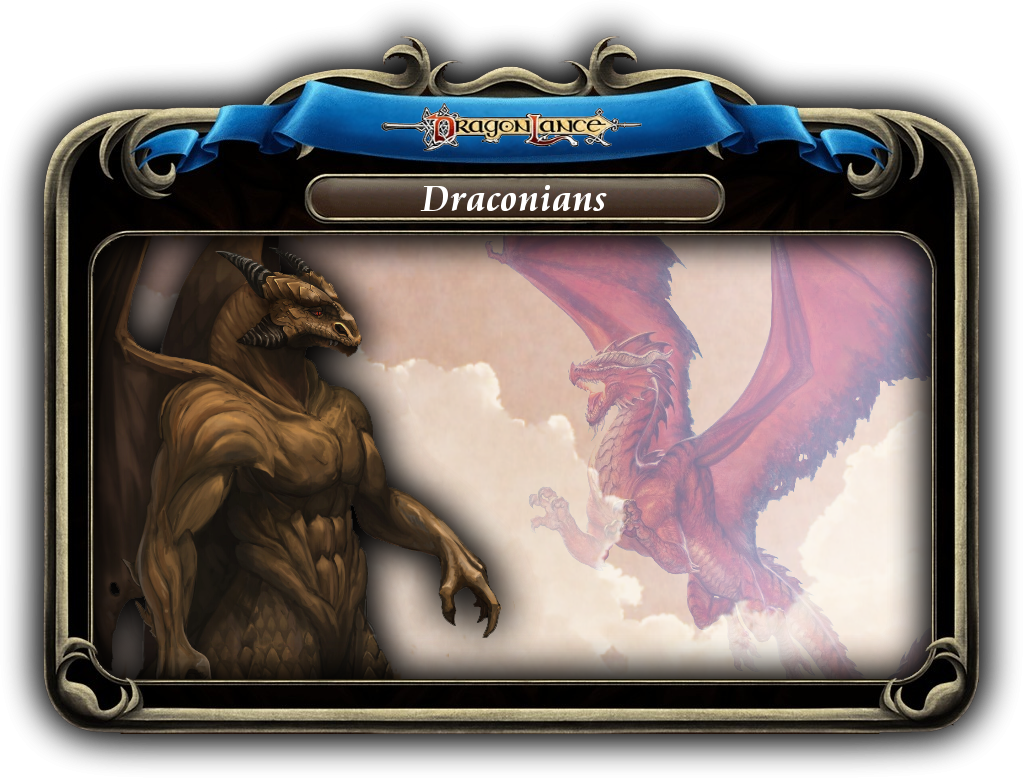 The Draconians
Draconians are not natural creatures—they are constructs of the Dark Queen, created by her to help in her conquest of the world. Because of their magical origins, draconians have peculiar powers and abilities.
Apperance Draconians have short, stubby tails, lizard snouts, and scaly bodies. They are the twisted creations of dark magic used to mutate the eggs of Good dragons. There are five draconian sub-races: auraks hatched from the eggs of gold dragons, baaz from brass dragons, bozaks from bronze dragons, kapaks from copper dragons, and sivaks from silver dragons. All draconians but auraks have wings that allow them to glide a short distance. Only sivaks can fly. Whenever a draconian dies, enchanted energy courses from their body and may harm bystanders.
Scholars believe that draconians do not have sexes and do not mate. Their near immortality (1,000 years) and their origin in magic make procreation unnecessary. Dragonmen are invulnerable to many diseases and can survive on little food and water. They love ale and spirits.
Personality and Powers All draconians are evil. Their heinous deeds and crude desires have won them hatred from humans and demihumans throughout Krynn. Corruption and perversity typify these folk. Draconians serve the Dark Queen and her generals faithfully and unquestioningly. They feel no fear in a dragon’s presence, but rather a reinforcing awe. Humans and demihumans mercilessly hunt draconians. Some bands of adventurers even specialize in eliminating these offspring of evil.
Race Traits for D&D5e
Ability Score Increase. - our Constitution score increases by 2.
Size. - Draconians vary in height according her subrace, but they are all Medium.
Speed. - Your base walking speed is 30 feet
Languages. - Draconian can read, speak and write Common and Nerakan.
Subrace. - Five subraces of draconians are found in Krynn: Baaz, Kapak, Bozak, Sivak, Aurak. Choose one of these subraces.
Aurak Draconians
Baaz Draconians
Bozak Draconians
Kapak Draconians
Sivak Draconians
Dwarfs
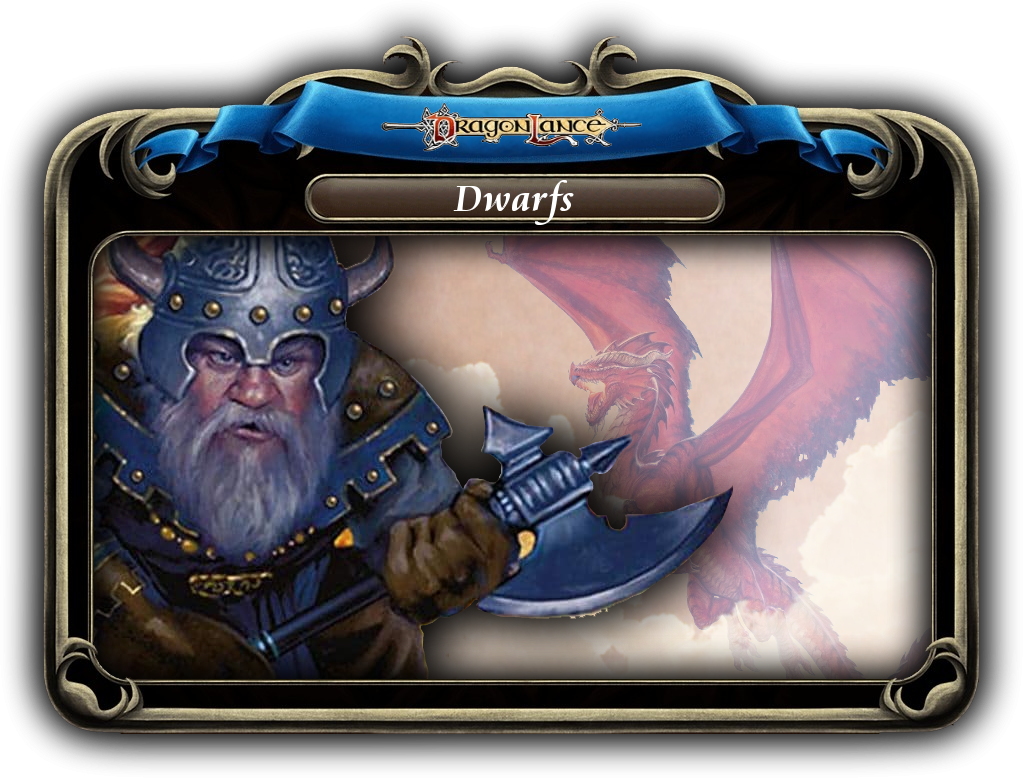 The Dwarfs
Ansalonian dwarves are short and wide-shouldered, standing only four feet tall and weighing about 140 Ibs. Males have full beards, and females and youths have wispy whiskers that do not form full beards. On the whole, dwarves have tough, wrinkled skin, and most males begin going bald while still quite young-often around 50 years old. The natural lifetime ranges from 250 to 450 years for all dwarves except gully dwarves.
These statistics offer the broadest norms of the species. After five millennia upon Ansalon, the stout dwarven stock has splintered into various distinct races.
These statistics offer the broadest norms of the species. After five millennia upon Ansalon, the stout dwarven stock has splintered into various distinct races.
Hill Dwarfs comprising the Neidar and Klar clans, gain their name from the foothills where they live. They have tan skin, ruddy cheeks, and bright eyes. Their hair is brown, black, or gray, worn in respectable trim around the ears but long and bushy in beards and mustaches. Their clothes reflect the drab colors of their lands: black, brown, gray, tan, and beige. On rare occasions (when feeling festive or scandalous), hill dwarves don a scarf of bright red or green. They prefer knee-high boots, large meals, and little work. Although Neidar have deep, resonant voices, cajoling one to sing (sober) is quite beyond the capacity of most folk.
Mountain Dwarfs unlike their Neidar kin, dwell below ground in the rugged heights of the mountains. The most ancient and prominent race of mountain dwarves is the Hylar, from which the Theiwar, Daewar, Daergar, Zakhar, and hill dwarf races descended. Hylar dwarves have light brown skin, smooth cheeks, and bright eyes. They prefer to match their clothing to their brown, black, gray, or white hair. With wide vocal range, Hylar dwarves often form choruses and sing traditional songs in the resonant depths of their mountains.
Race Traits for D&D5e
Hill Dwarf - As the Hill Dwarf D&D5e.
Mountain Dwarf- As the Mountain Dwarf D&D5e.
Attitudes and Lifestyles
Racial Quirks
History
Government and Clan
Tools, Technology, and Weapons
Gully Dwarfs
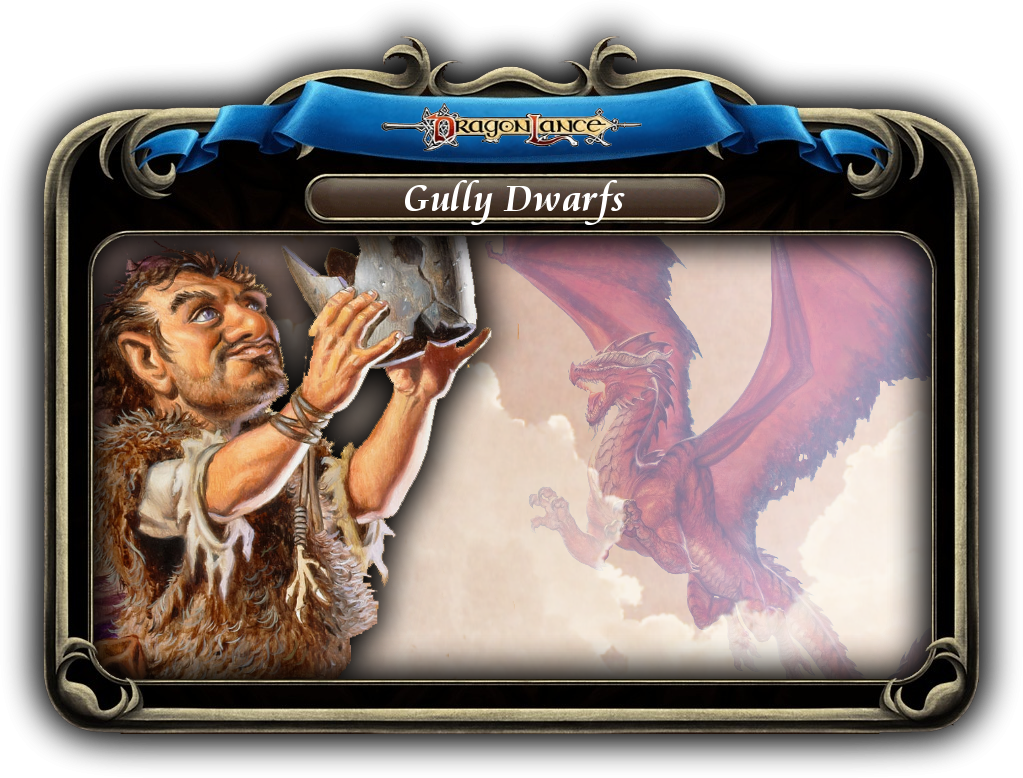 The Gully Dwarfs
The Aghar - or “Gully Dwarves:’ as they are often called-are short and squat cousins of the Hylar. They do not cut striking figures. Lack of sanitation and medicine mars their skin with scars, boils, sores, and brown splotches. Both sexes have unkempt hair of dirty blond, brown, rust, gray, or dull black. Males wear long, scruffy beards; females have some cheek down but no beards. Their eyes are watery blue, dull green, brown, or hazel. Their narrow fingers have overly large knuckles and their legs tend to be knock-kneed. Both sexes carry pot bellies and develop wrinkles soon after age 25.
Apperance Thanks to poor living conditions, most gully dwarves are smeared with enough grime and soil to support a small garden. Their bedraggled clothes hostel a bevy of parasites. Aghar lucky enough to possess jewelry wear it conspicuously and garishly. All told, the filth and rags and mismatched jewelry sometimes cast the gender of any particular Aghar in doubt.
Aghar breed prodigiously; females average 20 children often bearing one per year until age 45. Six of these 20 are likely survive to adulthood. Gully dwarf children reach maturity by age 5. Those who avoid starvation, disease, violence, and accidents live up to 55 years. Most expire before age 35. Aghar average 4’ tall, and 120 Ibs.
Race Traits for D&D5e
Ability Score Increase. - Your Dexterity score increases by 1.
Survival instinct. - You have advantage on Dexterity (Stealth) and Wisdom (Survival) checks.
Pitiable. - You have advantage on Charisma (Persuasion) checks used to convince an enemy not to harm you.
Cowardly. - You have disadvantage on Wisdom saving throws against being frightened or another fear effects.
Attitudes and Lifestyles
History
Tools, Technology, and Weapons
Elves
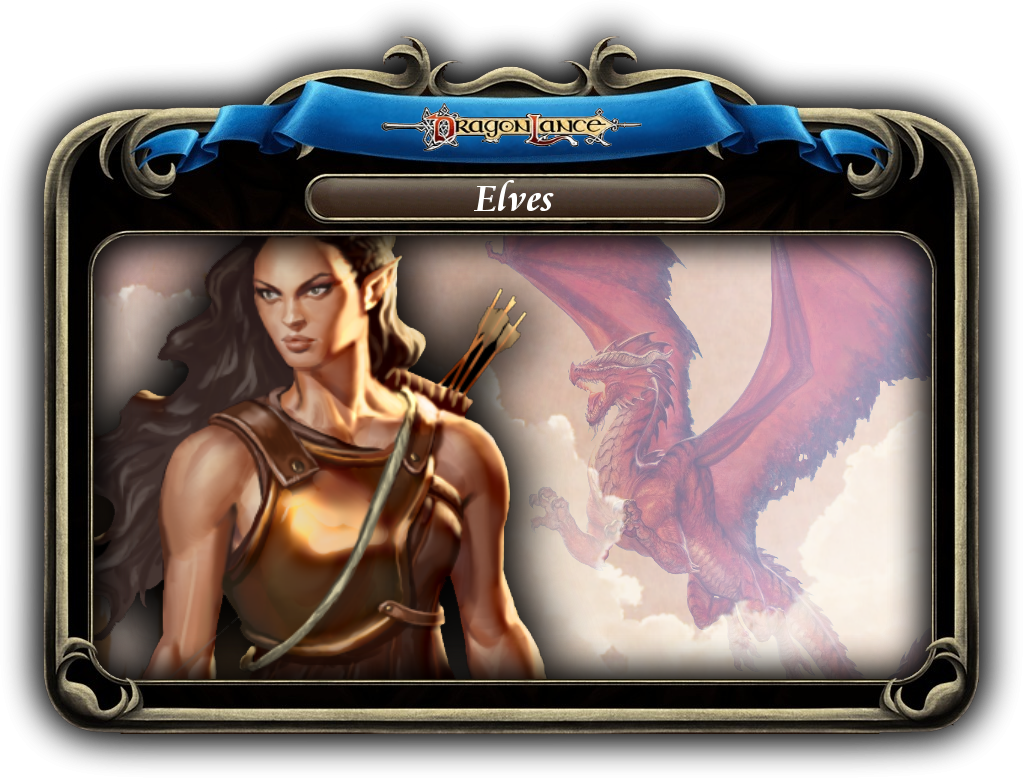 The Elves
Ansalonian elves are lithe, elegant creatures with pointed ears, thin limbs, and graceful movements. They stand about five feet tall, although they give an impression of greater height. Most weigh between 90 and 100 pounds. They have no facial hair. Elves are considered adults from the age of 80. They live to be about 550 years old before leaving the world, though some are as many as 700 years old.
Silvanesti - are fair-skinned. Their hair ranges from light brown to blonde-white, and their eyes are hazel. They prefer loose garments, flowing robes, and billowing capes. Their clothes are various shades of green and brown. They speak in melodic tones and move with a natural grace.
Qualinesti - are smaller and darker than the Silvanesti, with eyes of blue or brown and hair ranging from honey-brown to blonde. They are not as strikingly attractive as the Silvanesti. They prefer earth-toned clothing. They have strong, pleasant voices and a friendly, open manner. They prefer long dresses for women and woven trousers and jerkins for men.
Kagonesti - are about the same size as Qualinesti and Silvanesti, but they are much more muscular. Their dark brown skin is traced with designs in clay, paint, and tattoo. Most have dark hair, ranging from black to light brown; elders have silvery white hair. All have hazel eyes. Kagonesti wear fringed leather clothes decorated with feathers, and adorn themselves with jewelry of silver and turquoise.
Dargonesti and Dimernesti - The sea elves, are barbaric aquatic creatures who appear quite different from their elven cousins. These races have rubbery bluish skin, wide eyes with narrow pupils, and webbed fingers and toes. Although they swim well in their elven form, they can also take the shape of sea otters (Dimernesti) and dolphins (Dargonesti).
Race Traits for D&D5e
Silvanesti - As the High Elf D&D5e.
Qualinesti - As the High Elf D&D5e.
Kagonesti - As the Wood Elf D&D5e.
Dargonesti and Dimernesti - As the Sea Elf D&D5e.
Common Ground
Diversities
History
Tools, Technology, and Weapons
Gnomes
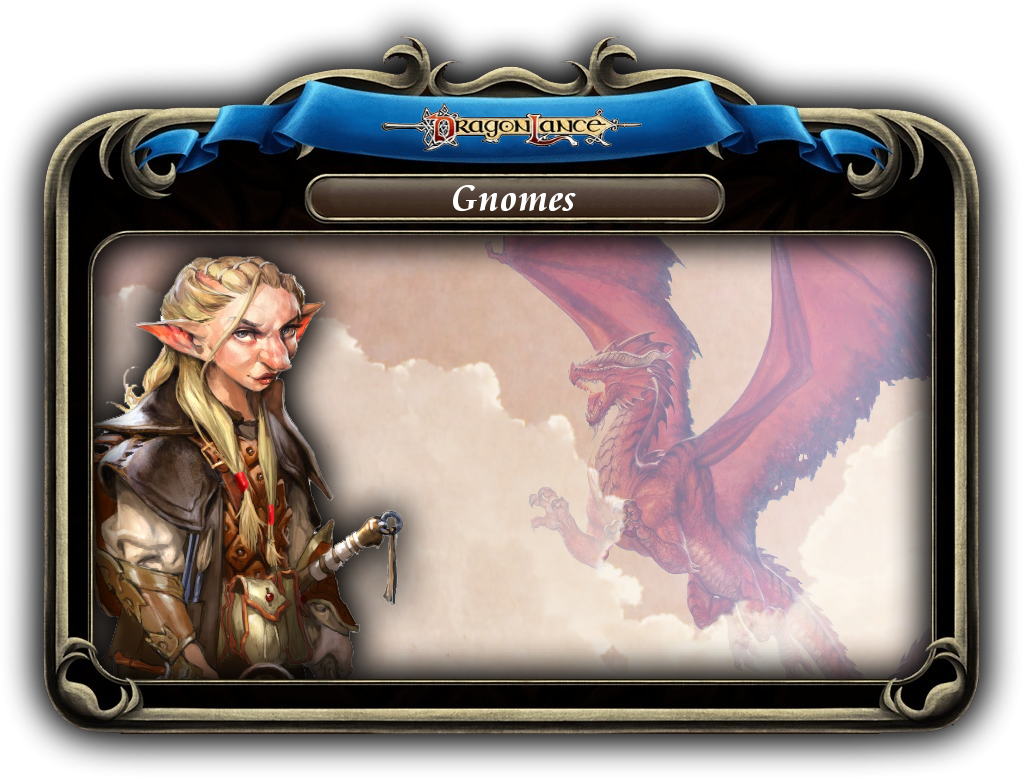 The Gnomes
Other races sometimes see the gnomes as single-minded or laughable; gnomes see others as unable to focus, hopelessly stuck on magic, and unable to keep up with the quick pace of a gnomish mind.
Gnomes dwell in isolated pockets throughout Ansalon, so far removed from human traffic that they are often placed with pixies and sprites as semi-magical myths. Gnomes enjoy and support this misconception.
Gnomes dwell in isolated pockets throughout Ansalon, so far removed from human traffic that they are often placed with pixies and sprites as semi-magical myths. Gnomes enjoy and support this misconception.
Appearance Other races sometimes see the gnomes as single-minded or laughable; gnomes see others as unable to focus, hopelessly stuck on magic, and unable to keep up with the quick pace of a gnomish mind.
Gnomes dwell in isolated pockets throughout Ansalon, so far removed from human traffic that they are often placed with pixies and sprites as semi-magical myths. Gnomes enjoy and support this misconception.
Race Traits for D&D5e
Gnomes - As the Rock Gnome D&D5e.
Attitudes and Lifestyles
Religion
History
Proverbs and Folktales
Tools, Technology, and Weapons
Gnomish Weapons
Gnomish Armor
Half Elves
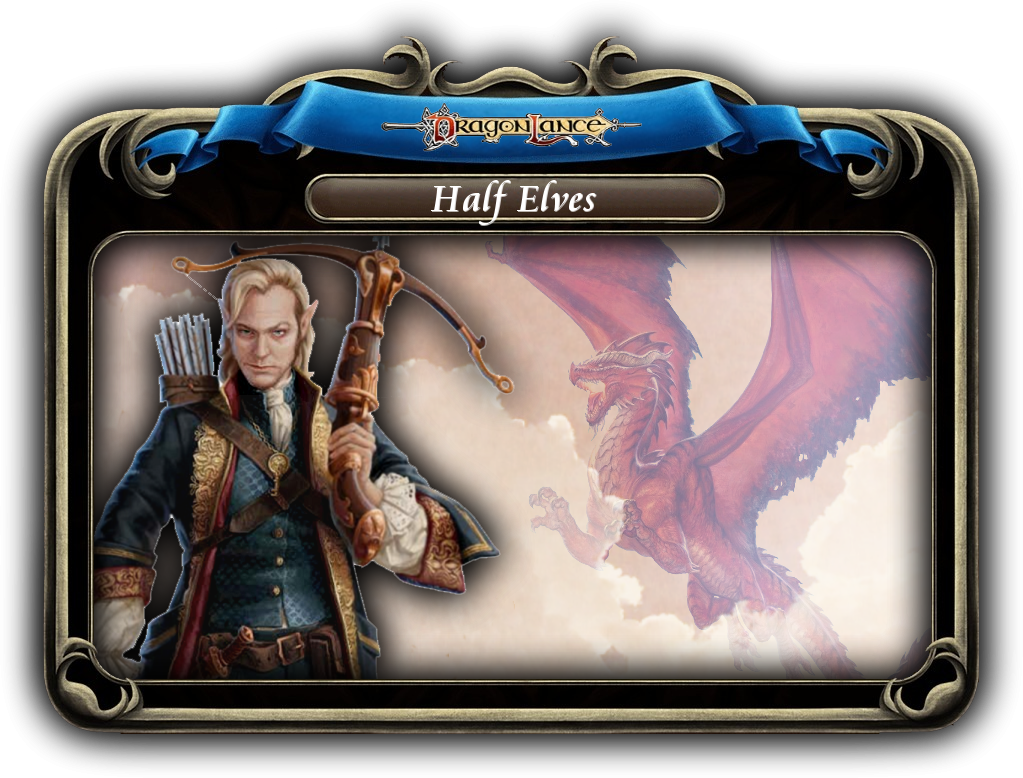 The Half Elves
Half-elves share the chaotic bent of their elven heritage. They both value personal freedom and creative expression, demonstrating neither love of leaders nor desire for followers. They chafe at rules, resent others' demands, and sometimes prove unreliable, or at least unpredictable.
Appearance Half-elves strongly resemble the racial stock of their elven parent, but they generally have facial hair (missing on all other elves) and a hair color that is not consistent with their elven heritage. They are generally more stocky than most elves and, while almost universally handsome or beautiful, lack the grace of their elven parentage.
Race Traits for D&D5e
Half Elves - As the Half Elf D&D5e.
History
Philosophies
Society
Ogre Irda
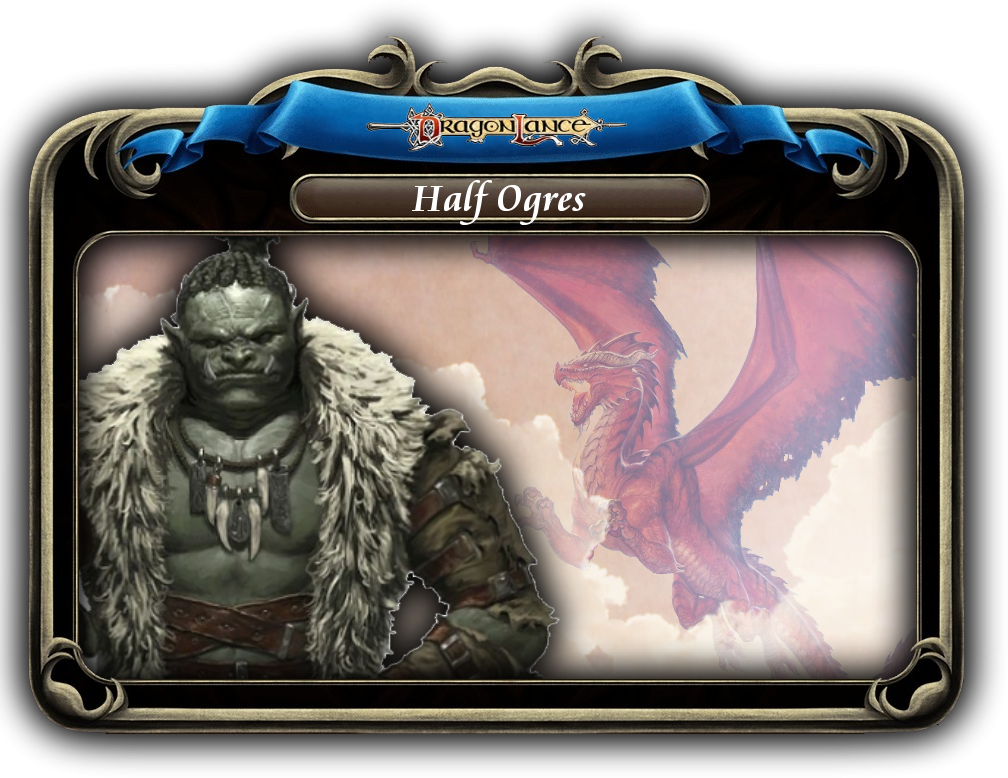 The Ogre Irda
Irda, the high ogres of Krynn, retain the beauty that ogres had at their creation. In their natural form, lrda stand about 6’tall and are slender. They possess a dark loveliness that accentuates their cold beauty. Their drawn faces are regal and statuesque. Beneath drooping eyelids, they have keen eyes of silver. Their skin color ranges from midnight blue to deep, sea green. Most lrda have black hair, but some have tresses of white or silver. All keep their hair well-trimmed and combed.
Appearance Irda dress in simple clothing-linen smocks and milkweedsilk gowns, primarily. They adorn these elegant garments with jewelry: pearl brooches, simple bracelets, and thin necklaces of steel. They will not don garments made of wool, leather, or any product from animals, and they eat no meat. lrda have deeply resonant voices, filled with rich melancholy. When they sing, audiences become immediately silent and listen tearfully.
All lrda move with an innate grace. Their steps seem to be part of a silent dance. Rarely do they back into corners or step off-balance. This fluidity of motion reflects the Irda’s deep somatic awareness, which comes from their being shapechangers. After several years of practice, lrda can change at will in height (two feet in either direction) and appearance (the form of any human, demihuman, or humanoid race). Although each lrda has many faces, they typically perfect and use only two or three at a time. Over their 500-year lifespans, however, lrda assume many different forms.
The cousins of the lrda do not share their beauty. Evil ogres stand 9’ tall and cover their gray, warty skin with loincloths and rags. Their faces are studies in brutality, depravity, and cunning cruelty. Giant ogres stand 24’ tall-even kneeling, they rise above the heads of the other ogres. They have tusklike teeth that protrude from their broad mouths and are generally smarter than regular ogres. Ogre mages stand 10’ tall. They have lean bodies and share their cousins’ look of bestial cruelty, though they appear much smarter. Finally (and rather abominably) come half-ogres, crossbreeds between evil ogres and humans. They resemble human throwbacks to the time of caves and clubs.
Race Traits for D&D5e
Ogre Irda - As the Half Orc D&D5e.
Atitudes and Lifestyles
History
Tools, Technology, and Weapons
Philosophies
Society
Humans
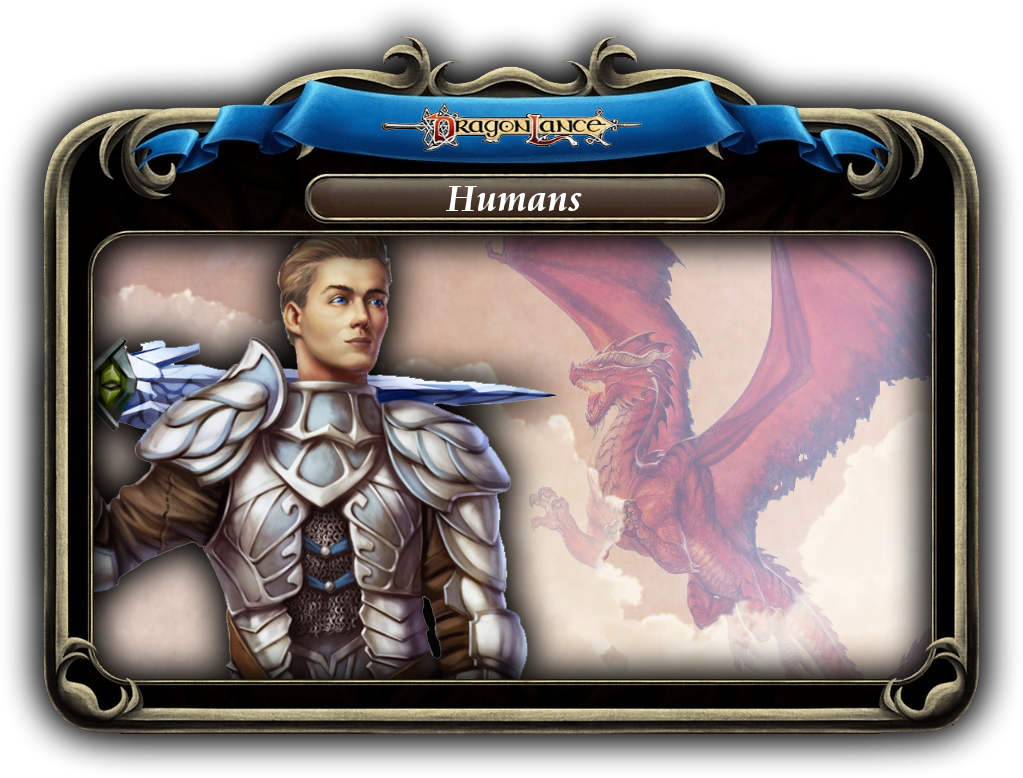 The Humans
Humans who seek adventure are the most daring and ambitious members of a daring and ambitious race. They seek to earn glory in the eyes of their fellows by amassing power, wealth, and fame. More than other people, humans champion causes rather than territories or groups.
Commoners are the worldbuilders and maintainers, the matrix of civilization that overlies the continent. Through their mundane labors; they create the world-each horseshoe, hay bale, beer barrel, shirt and coat and cap. These folk are inkeepers, servants, blacksmiths, farmers and fishermen. Many work with their hands; most are awed by and distrustful of magic. They live in settlements from tiny hamlets to the huge city of Palanthus. They are everyday people.
In times of trouble, everyday people have been known to beat their plowshares into swords and march out to become heroes. But after the day has been won, many such folk find their most fervent wish is to return to their fields and their inns, and get on with the business of life. They go back to plowing and baking and weaving and building. They become the matrix once more, and leave the adventuring to those more suited—or more driven—to it.
Not even humans can be so neatly painted in one, unvarying stroke. Not all humans are commoners. Some people choose not to settle in one place.
Driven by wars, religious quests, or simply the need for new surroundings, these folk have developed alternatives to the rooted lifestyles of commoners.
Race Traits for D&D5e
Humans - As the Human D&D5e.
Atitudes and Lifestyles - Barbarians
History
Tools, Technology, and Weapons - Barbarians
Kenders
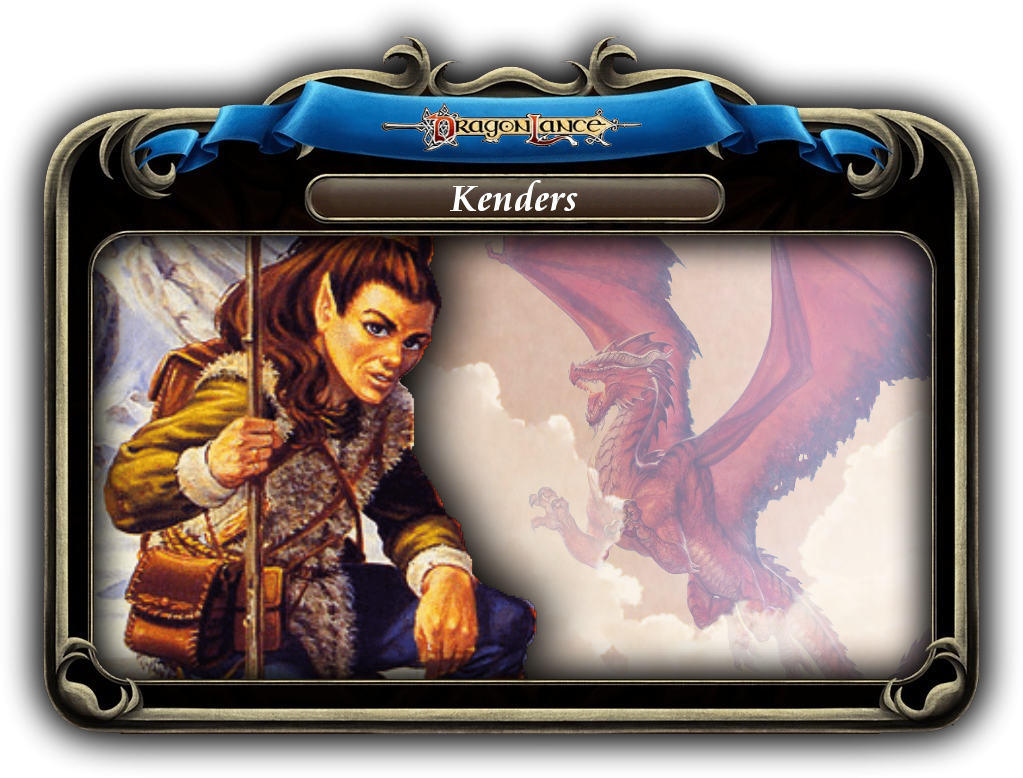 The Kenders
Adult kender resemble young teenage humans: aside from their pointed ears, they could pass as human youths. Despite their attenuate limbs, kender are well muscled. Most stand between 3’6” and 3’9” tall, although some few reach four and a half feet. Mature kender weigh between 85 and 105 pounds.
Appearance Hair coloration in kender ranges from sandy blonde to dark brown, with some coppery red or red-orange hues. Shortcropped shag haircuts are popular in Hylo, but Goodlund kender prefer longer hair: braids, ponytails, knots, and combed manes. Kender cannot grow beards or mustaches. Although fair-skinned, kender tan quickly, becoming nutbrown by midsummer. Their eye color varies: pale blue, sea green, olive, light brown, and hazel. Their ears have points, much as elven ears do.
Typically, kender faces bear the intense, bright-eyed inquisitiveness of children. Happy kender grin madly; sad kender wear an intractable pout. When throwing taunts, kender look impish and shout in an incredibly grating tone. Their emotional intensity is infectious.
Kender clothing varies a great deal, but all wear durable, rustic outfits. Bright natural colors and ribbons accent clothing. Males wear shirts, pants or breeches, laced leggings, and soft leather boots or sandals. Females wear a tunic or dress, pants, and soft leather shoes or laced sandals. All kender wear vests, belts, or short cloaks with many pockets.
In their countless pouches, pockets, and belt packs, kender carry a wide assortment of junk: feathers, stones, rings, string, teeth, toys, whistles, paper, charcoal sticks, ink, tinderboxes, buttons, chalk, figurines, handkerchiefs, marbles, mice, dried meat, bones, dried fruit, coins, candles, and so forth.
Kender live to 100 years and beyond, always retaining their youthful flair for life. Adulthood begins around 20 years, and old age sets in at 70. As kender age, their faces retain a youthful appearance, save for a deepening network of lines and crow’s feet. Their hair grays gently, often starting at the temples.
Kender consider this aged look attractive, and some accelerate it with mud packs to dry out their skin.
Kender voices range from the shrill tones of childhood to the husky growls of old age. Most kender can imitate bird and animal calls. When excited, kender speak very quickly or very loudly to make themselves heard. At other times, kender tend to ramble, producing convolute logic and illogic.
Race Traits for D&D5e
Ability Score Increase. - Your Dexterity score increases by 2, and your Charisma score by 1.
Size. - Kender average about 3 or 4 feet tall and weigh about 40 pounds. Your size is Small.
Speed. - Your base walking speed is 25 feet.
Languages. - Kender can read, speak and write Common and Kenderspeak.
Lucky. - When you roll a 1 on the d20 for an attack roll, ability check, or saving throw, you can reroll the die and must use the new roll.
Keen Senses. - You have proficiency in the Perception skill.
Kender Pockets. - Kender constantly pick things up and pocket them, and then often forget about them. Rummaging through your pouches, pack and pockets in this way takes 1 minute.
Fearless. - You have advantage on saving throws against being frightened.
Taunt. - You have advantage on Charisma (Performance) checks to taunt a creature and make it lose its temper. A creature might turn hostile against you.
Lack of Focus. - You have disadvantage to Intelligence (Investigation) checks and Constitution checks to maintain concentration.
Special Abilities. - Kendets have infravision that works out to 30 feet. They also have several unique abilities, as well as all standard halfling abilities.
Atitudes and Lifestyles
History
Religion
Tools, Technology, and Weapons
Minotaurs
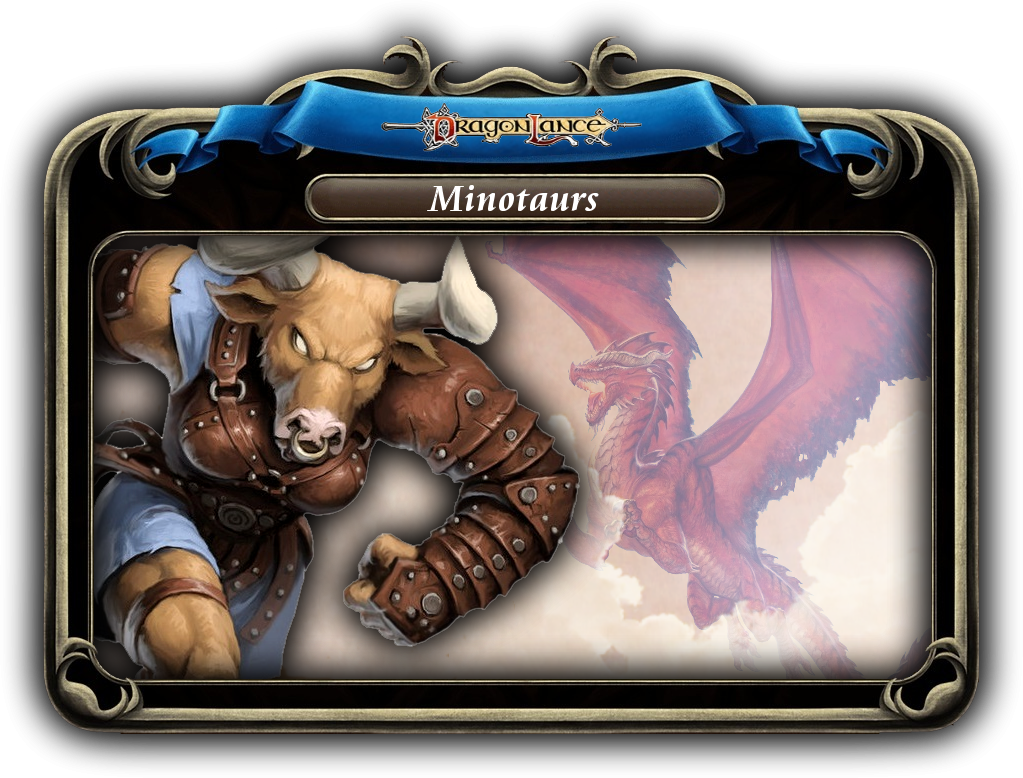 The Minotaurs
Minotaurs were created during the Greystone's passage through Ansalon and are descended from the original ogres. Suggesting to a minotaur that he is descended from a cow (a common mistake for humans) is the deadliest insult one can offer a minotaur.
Appearance These huge, bull-headed (literally) demihumans stand a hulking 7’ tall. Their torsos and limbs are humanoid: rippling chests and muscular arms, legs, and hands. Their feet, however, end in cloven hooves. Their whole bodies are covered with a layer of short hair. This fur can range in color from a whitish blonde to glossy black. Most minotaurs, like most humans, have one color of fur. Only after they reach the age of 110 do they start to show signs of mottling. Minotaurs live up to 150 years-longer than either the bovines or humans whose forms they share.
Minotaur horns grow to 24” long. These lengths are measured and cherished because minotaurs pride themselves on their horns. Horns symbolize a great and noble heritage that no other people of Krynn can claim. Minotaurs rigorously wax and polish their horns to make them shiny and strong. Criminals are punished and forever exiled from minotaur society by having their horns sawed off. Dehorned minotaurs have lost their pride and sullied their honor. Such creatures are no longer even considered minotaurs, but are mere beasts akin to humans. No minotaur in good standing would ever befriend one of these hornless and hapless creatures.
Race Traits for D&D5e
Age. Minotaurs enter adulthood at around the age of 17 and can live up to 150 years.
Size. Minotaurs average over 6 feet in height, and they have stocky builds. Your size is Medium.
Speed. Your base walking speed is 30 feet.
Ability Score Increase. - Your Strength score increases by 1.
Conqueror's Virtue. - From a young age, you focused on one of the three virtues of strength, cunning, or intellect. Your choice of your Strength, Intelligence, or Wisdom score increases by 1.
Alignment. - Krynn minotaurs believe in a strict code of honor, and thus tend toward law. They are loyal to the death and make implacable enemies, even as their brutal culture and disdain for weakness push them toward evil.
Horns. - You are never unarmed. You are proficient with your horns, which are a melee weapon that deals 1d10 piercing damage. Your horns grant you advantage on all checks made to shove a creature, but not to avoid being shoved yourself.
Goring Rush. - When you use the Dash action during your turn, you can make a melee attack with your horns as a bonus action.
Hammering Horns. - When you use the Attack action during your turn to make a melee attack, you can attempt to shove a creature with your horns as a bonus action. You cannot use this shove attempt to knock a creature prone.
Labyrinthine Recall. - You can perfectly recall any path you have traveled.
Sea Reaver. - You gain proficiency with navigator’s tools and vehicles (water).
Languages. - You can speak, read, and write Common.
Attitudes and Lifestyles
History
Tools, Technology, and Weapons
Minotaur Armor
Artificers
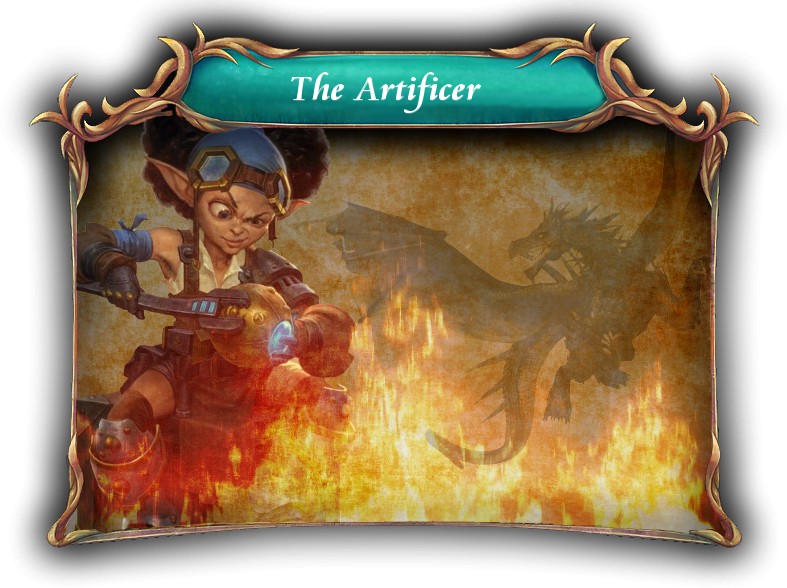 The Artificer
The Magical Artificer's Guild is one of the many Gnome guilds of Mount Nevermind. The guild were interested in anything magical, often conducting tests to determine the abilities that items were enchanted with.
Pre Requirements: Gnomes only.
(You must have an Intelligence score of 13 or higher in order to multiclass in or out of this class.)
Varients: Use D&D5e Rock Gnome for Tinkers.
Barbarians
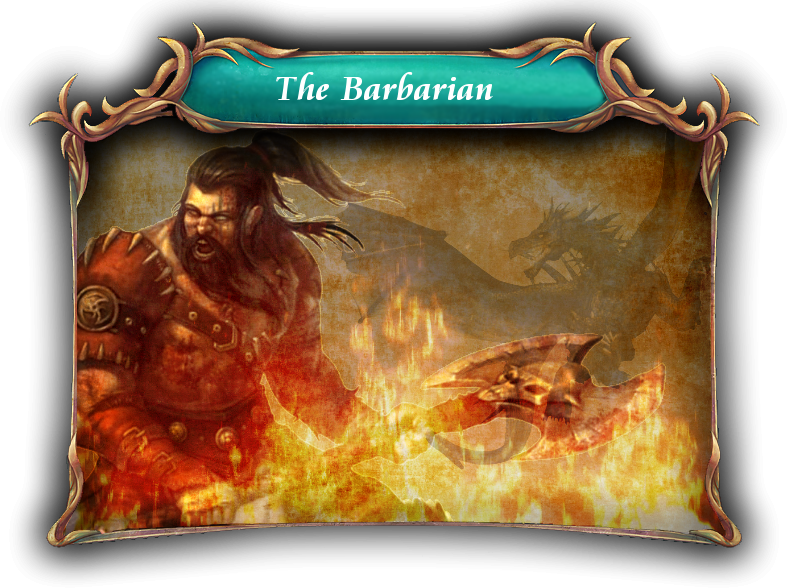 The Barbarian
People of towns and cities take pride in how their civilized ways set them apart from animals, as if denying one’s own nature was a mark of superiority. To a barbarian, though, civilization is no virtue, but a sign of weakness. The strong embrace their animal nature—keen instincts, primal physicality, and ferocious rage. Barbarians are uncomfortable when hedged in by walls and crowds. They thrive in the wilds of their homelands: the tundra, jungle, or grasslands where their tribes live and hunt.
Pre Requirements: (You must have a Strength score of 13 or higher in order to multiclass in or out of this class.)
Varients: all allowed.
Bards
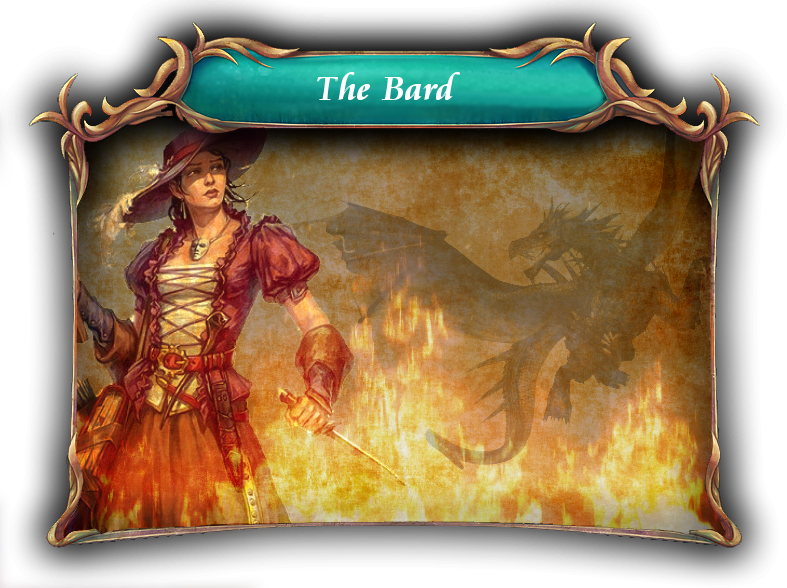 The Bard
The greatest strength of bards is their sheer versatility. Many bards prefer to stick to the sidelines in combat, using their magic to inspire their allies and hinder their foes from a distance. But bards are capable of defending themselves in melee if necessary, using their magic to bolster their swords and armor. Their spells lean toward charms and illusions rather than blatantly destructive spells. They have a wide-ranging knowledge of many subjects and a natural aptitude that lets them do almost anything well. Bards become masters of the talents they set their minds to perfecting, from musical performance to esoteric knowledge.
Pre Requirements: (You must have a Charisma score of 13 or higher in order to multiclass in or out of this class.)
Varients: all allowed.
Clerics
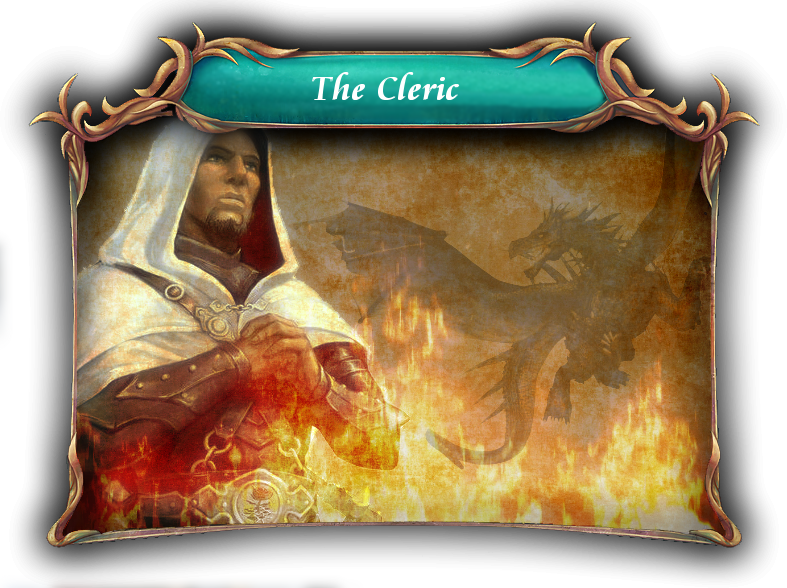 The Cleric
Divine magic, as the name suggests, is the power of the gods, flowing from them into the world. Clerics are conduits for that power, manifesting it as miraculous effects. The gods don’t grant this power to everyone who seeks it, but only to those chosen to fulfill a high calling.
Harnessing divine magic doesn’t rely on study or training. A cleric might learn formulaic prayers and ancient rites, but the ability to cast cleric spells relies on devotion and an intuitive sense of a deity’s wishes.
Harnessing divine magic doesn’t rely on study or training. A cleric might learn formulaic prayers and ancient rites, but the ability to cast cleric spells relies on devotion and an intuitive sense of a deity’s wishes.
Pre Requirements: (You must have a Wisdom score of 13 or higher in order to multiclass in or out of this class.)
Varients: all allowed within the the Holy Orders of the Stars, DMs discretion.
Any cleric who enters Krynn from another world has lost contact with his original deity. In so doing. he has become a heathen cleric. Heathen clerics cannot cast spells or acquire them as they normally might do. The Seekers in the Haven and Solace regions of Abanasinia were clerics of this type. - a group of shamans, fortune tellers and con artists.
Druids
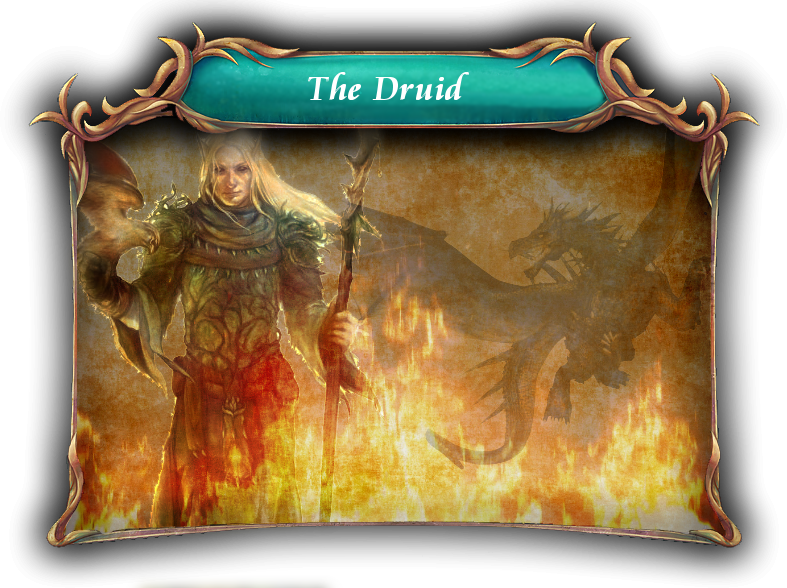 The Druid
Spellcasters who extract their power of the nature gods but don´t belong to one of the Holy Orders of the Stars faction.
Druids revere nature above all, gaining their spells and other magical powers either from the force of nature itself or from a nature deity. Many druids pursue a mystic spirituality of transcendent union with nature rather than devotion to a divine entity, while others serve gods of wild nature, animals, or elemental forces. The ancient druidic traditions are sometimes called the Old Faith, in contrast to the worship of gods in temples and shrines.
Druids revere nature above all, gaining their spells and other magical powers either from the force of nature itself or from a nature deity. Many druids pursue a mystic spirituality of transcendent union with nature rather than devotion to a divine entity, while others serve gods of wild nature, animals, or elemental forces. The ancient druidic traditions are sometimes called the Old Faith, in contrast to the worship of gods in temples and shrines.
Pre Requirements: (You must have a Wisdom score of 13 or higher in order to multiclass in or out of this class.)
Varients: all allowed.
Any druid who enters Krynn from another world has lost contact with his original deity. In so doing. he has become a heathen cleric. Heathen clerics cannot cast spells or acquire them as they normally might do. The Seekers in the Haven and Solace regions of Abanasinia were clerics of this type. - a group of shamans, fortune tellers and con artists.
Fighters
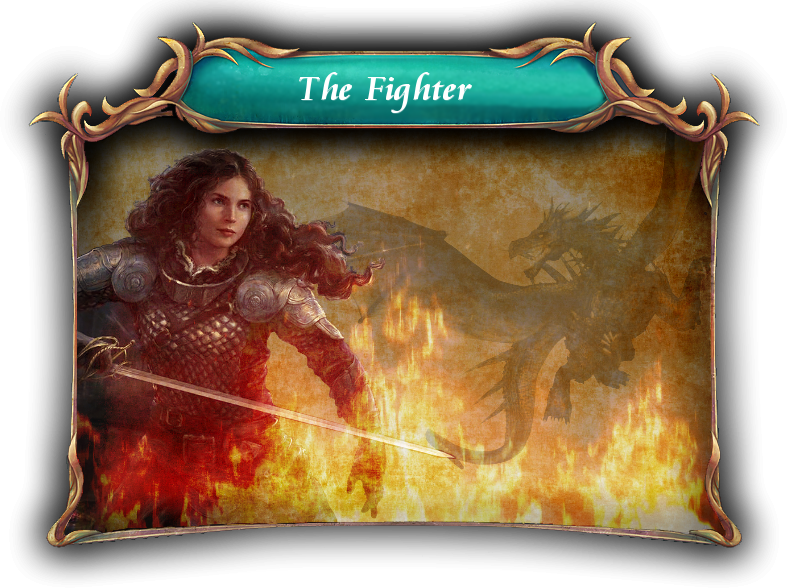 The Fighter
Fighters learn the basics of all combat styles. Every fighter can swing an axe, fence with a rapier, wield a longsword or a greatsword, use a bow, and even trap foes in a net with some degree of skill. Likewise, a fighter is adept with shields and every form of armor. Beyond that basic degree of familiarity, each fighter specializes in a certain style of combat. Some concentrate on archery, some on fighting with two weapons at once, and some on augmenting their martial skills with magic.
This combination of broad general ability and extensive specialization makes fighters superior combatants on battlefields and in dungeons alike.
This combination of broad general ability and extensive specialization makes fighters superior combatants on battlefields and in dungeons alike.
Pre Requirements: (You must have a Dexterity or Strength score of 13 or higher in order to multiclass in or out of this class.)
Varients: all allowed, players should use D&D5e Cavalier for A Dragon Riders.
Monks
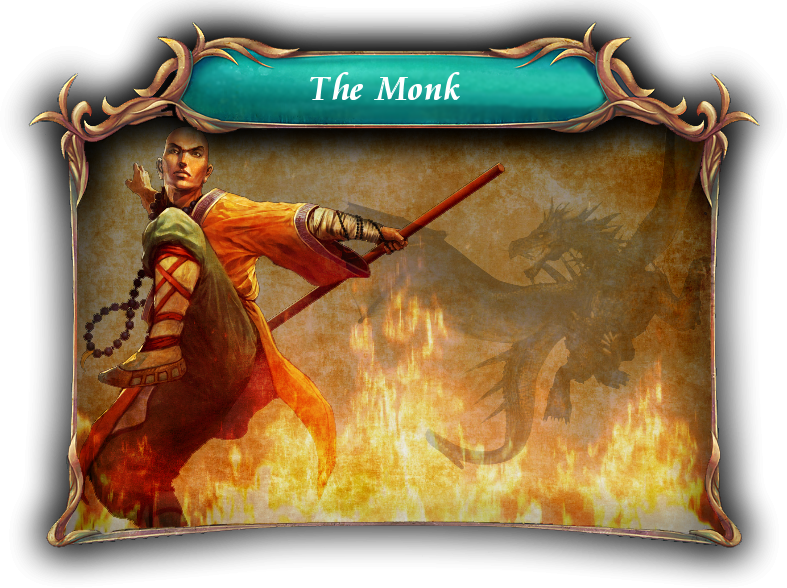 The Monk
Monks normally they have a life of introspection in a
distant Majere´s monastery. Monks make careful study of a magical energy that most monastic traditions call ki. This energy is an element of the magic that suffuses the multiverse—specifically, the element that flows through living bodies. Monks harness this power within themselves to create magical effects and exceed their bodies’ physical capabilities, and some of their special attacks can hinder the flow of ki in their opponents. Using this energy, monks channel uncanny speed and strength into their unarmed strikes.
Pre Requirements: (You must have a Dexterity score and a Wisdom score of 13 or higher in order to multiclass in or out of this class.)
Varients: all allowed.
Paladins
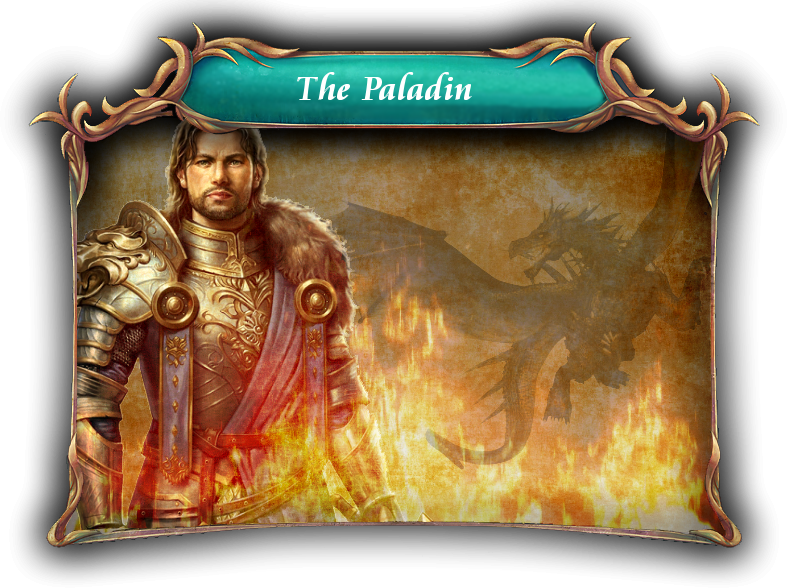 The Paladin
Paladins are rare individuals on Krynn, mortals chosen from among the faithful to do the noble work of the gods of Light. Few enough receive the call to paladinhood that in many eras their role is subsumed by the work of the Solamnic knights or other military orders with divine patronage. Paladins are highly respected by priests of their patron deity, welcomed into the churches as holy warriors in the cause of good, but they are typically too focused on their direct service to play much of a part in the day-to-day affairs of the clergy.
Pre Requirements: (You must have a Charisma score and a Strength score of 13 or higher in order to multiclass in or out of this class.)
Varients: all allowed within the Kights of Solamnia. DMs discretion.
Untrue Paladins (outside the Knighthood) represent knights who are operating under the direction of an organization other than the Knights of Solamnia. Paladins who do not convert to one of the True Gods (as with heathen clerics) lose their spell casting abilities until they do so. Once a Paladine becomes a Knight of the Crpwn he regains his ability to cast Paladine spells.
Rangers
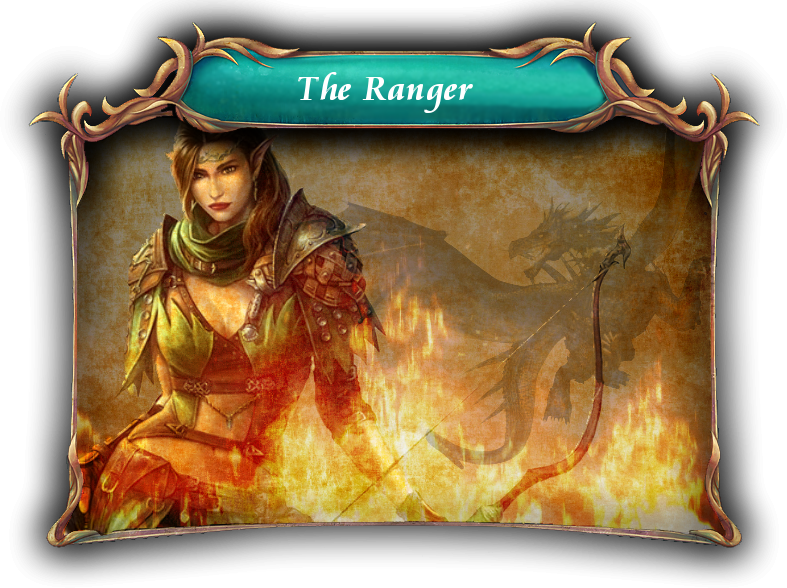 The Ranger
Warriors of the wilderness, rangers specialize in hunting the monsters that threaten the edges of civilization—humanoid raiders, rampaging beasts and monstrosities, terrible giants, and deadly dragons. They learn to track their quarry as a predator does, moving stealthily through the wilds and hiding themselves in brush and rubble. Rangers focus their combat training on techniques that are particularly useful against their specific favored foes.
Pre Requirements: (You must have a Dexterity score and a Wisdom score of 13 or higher in order to multiclass in or out of this class.)
Varients: all allowed.
Rogues
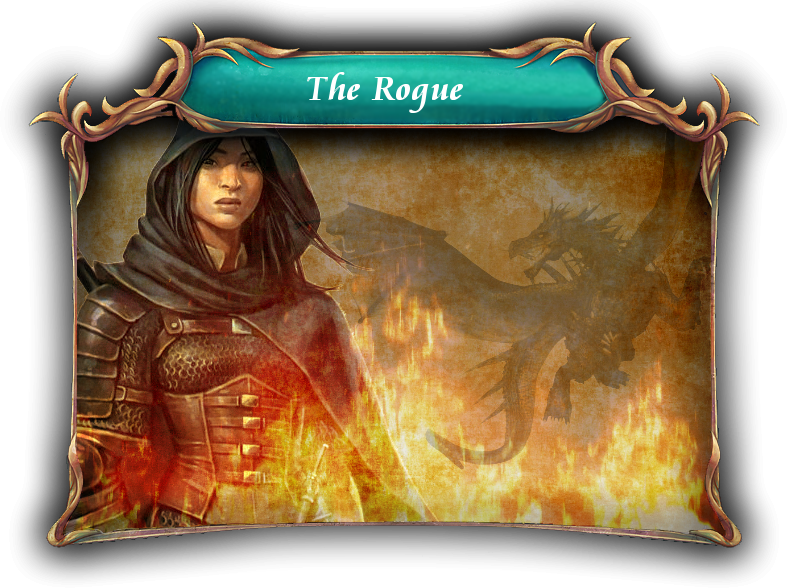 The Rogue
Rogues devote as much effort to mastering the use of a variety of skills as they do to perfecting their combat abilities, giving them a broad expertise that few other characters can match. Many rogues focus on stealth and deception, while others refine the skills that help them in a dungeon environment, such as climbing, finding and disarming traps, and opening locks.
When it comes to combat, rogues prioritize cunning over brute strength. A rogue would rather make one precise strike, placing it exactly where the attack will hurt the target most, than wear an opponent down with a barrage of attacks. Rogues have an almost supernatural knack for avoiding danger, and a few learn magical tricks to supplement their other abilities.
When it comes to combat, rogues prioritize cunning over brute strength. A rogue would rather make one precise strike, placing it exactly where the attack will hurt the target most, than wear an opponent down with a barrage of attacks. Rogues have an almost supernatural knack for avoiding danger, and a few learn magical tricks to supplement their other abilities.
Pre Requirements: (You must have a Dexterity score of 13 or higher in order to multiclass in or out of this class.)
Varients: all allowed.
Sorcerers
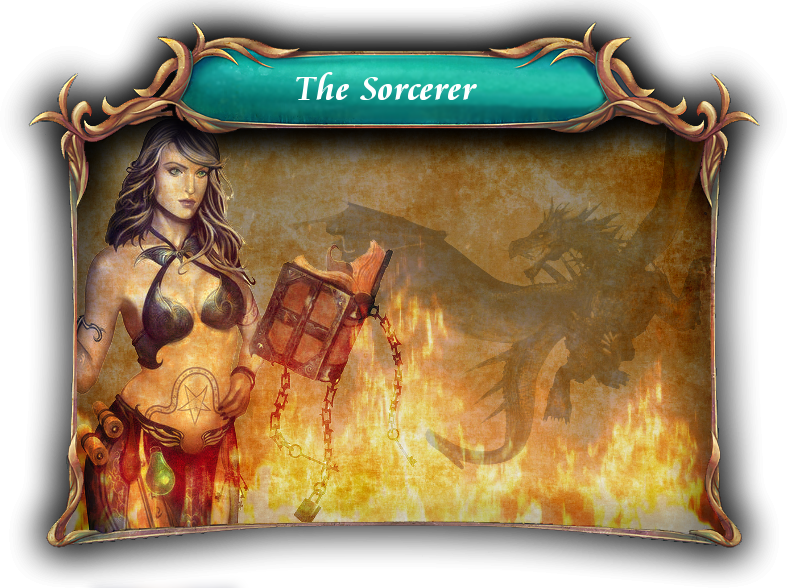 The Sorcerer
Sorcerers are spellcasters who extract their magic from Krynn itself. The appearance of sorcerous powers is wildly unpredictable. Some draconic bloodlines produce exactly one sorcerer in every generation, but in other lines of descent every individual is a sorcerer. Most of the time, the talents of sorcery appear as apparent flukes. Some sorcerers can’t name the origin of their power, while others trace it to strange events in their own lives. The touch of a demon, the blessing of a dryad at a baby’s birth, or a taste of the water from a mysterious spring might spark the gift of sorcery. So too might the gift of a deity of magic, exposure to the elemental forces of the Inner Planes or the maddening chaos of Limbo, or a glimpse into the inner workings of reality.
Pre Requirements: (You must have a Charisma score of 13 or higher in order to multiclass in or out of this class.)
Varients: all allowed.
Sorcerers who enter Krynn from outside the Conclave of High Sorcerey are considered renegade wizards until such time as they declare their alignment to an order. Such sorcerers use the standard sorcerers tables found in the D&D5e. It should be explained to the player, however, that the standard tables are far less favorable for a wizard than those for the orders of Krynn.
Renegade wizards who are recognized by a wizard of another order are dealt with in ways that depend on the order of the wizard. A wizard of the White Robes will try to capture the renegade by any means at his disposal while doing the least harm . Should he fail, he will repon the renegade to the nearest tower, keeping close watch on him meanwhile. He would destroy the renegade o nly as a last reson and then only if the renegade threate ned either the balance of magic or the lives of others.
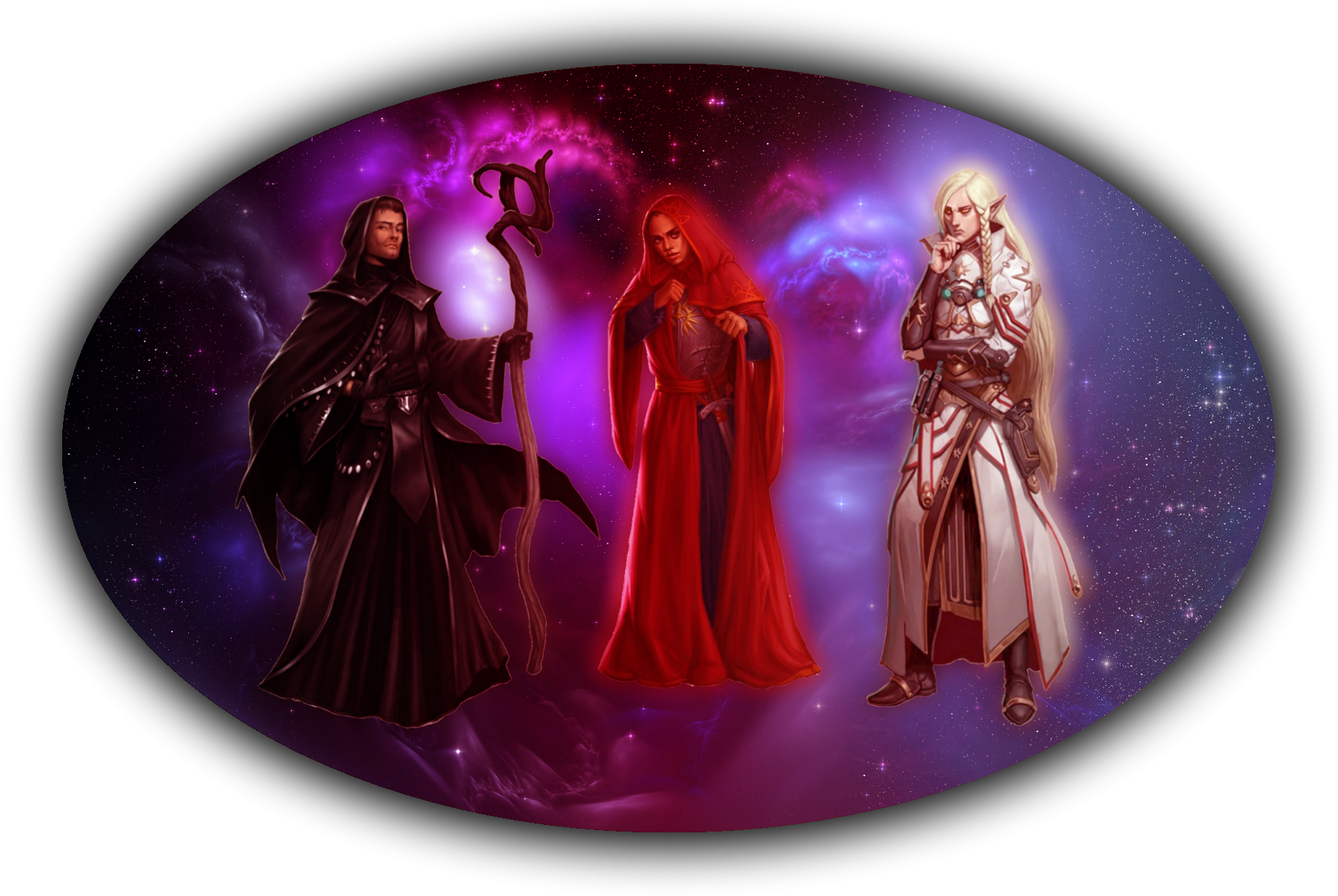
A wizard of the Red Robes will try to capture the renegade and bring him before the Conclave, if possible. If this is not possible, he would not hesitate to destroy the renegade. A Black Robe wizard will at first attempt to win the wizard over to his side of the struggle before destroying him.
Renegade wizards who are brought before the Conclave are given a chance to join one of the Orders of High Sorcery and to abide by its laws. Those who refuse are cast out from the realms of Krynn and the circles of the world. Those who join the Orders of High Sorcery are entitled to use the better advancement tables and all of the benefits of the towers.
Warlocks
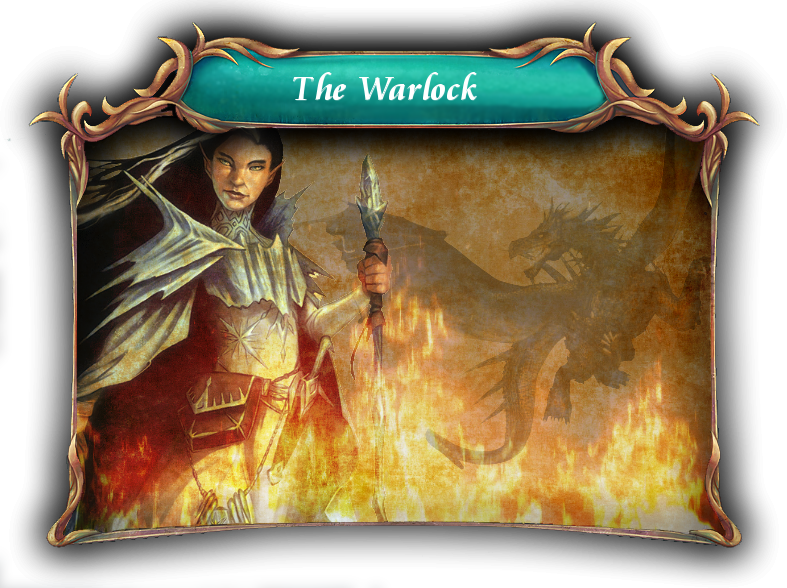 The Warlock
A warlock is defined by a pact with an otherworldly being. Sometimes the relationship between warlock and patron is like that of a cleric and a deity, though the beings that serve as patrons for warlocks are not gods. A warlock might lead a cult dedicated to a demon prince, an archdevil, or an utterly alien entity—beings not typically served by clerics. More often, though, the arrangement is similar to that between a master and an apprentice. The warlock learns and grows in power, at the cost of occasional services performed on the patron’s behalf.
Pre Requirements: (You must have a Charisma score of 13 or higher in order to multiclass in or out of this class.)
Varients: all allowed.
Warlocks who enter Krynn from outside the Conclave of High Sorcerey are considered renegade wizards until such time as they declare their alignment to anorder. Such wizards use the standard warlocks tables found in t he D&D5e. It should be explained to the player, however, that the standard tables are far less favorable for a wizard than those for the orders of Krynn.
Renegade wizards who are recognized by a wizard of another order are dealt with in ways that depend on the order of the wizard. A wizard of the White Robes will try to capture the renegade by any means at his disposal while doing the least harm . Should he fail, he will repon the renegade to the nearest tower, keeping close watch on him meanwhile. He would destroy the renegade o nly as a last reson and then only if the renegade threate ned either the balance of magic or the lives of others.
A wizard of the Red Robes will try to capture the renegade and bring him before the Conclave, if possible. If this is not possible, he would not hesitate to destroy the renegade. A Black Robe wizard will at first attempt to win the wizard over to his side of the struggle before destroying him.
Renegade wizards who are brought before the Conclave are given a chance to join one of the Orders of High Sorcery and to abide by its laws. Those who refuse are cast out from the realms of Krynn and the circles of the world. Those who join the Orders of High Sorcery are entitled to use the better advancement tables and all of the benefits of the towers.
Wizards
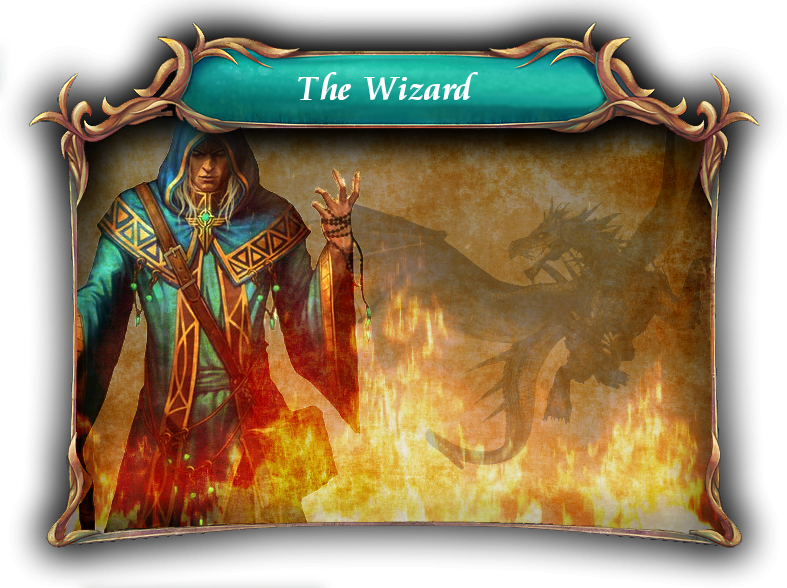 The Wizard
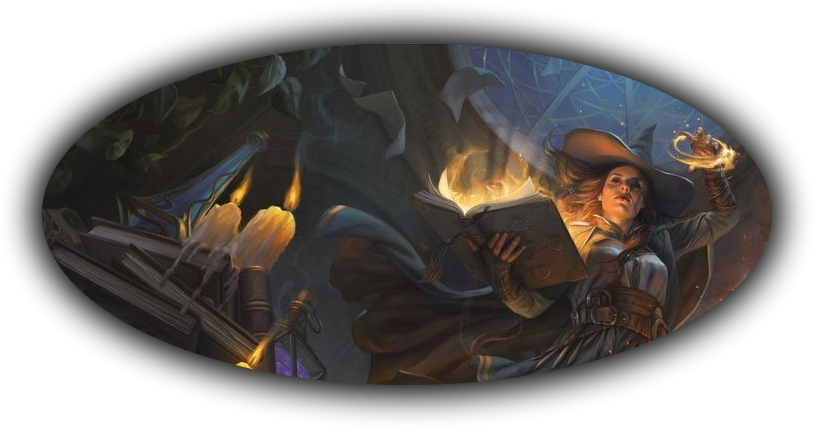
Wizards are spellcasters who extracts their power from the moons. They live and die by their spells. Everything else is secondary. They learn new spells as they experiment and grow in experience. They can also learn them from other wizards, from ancient tomes or inscriptions, and from ancient creatures (such as the fey) that are steeped in magic.
Wizards’ lives are seldom mundane. The closest a wizard is likely to come to an ordinary life is working as a sage or lecturer in a library or university, teaching others the secrets of the multiverse. Other wizards sell their services as diviners, serve in military forces, or pursue lives of crime or domination.
Wizards’ lives are seldom mundane. The closest a wizard is likely to come to an ordinary life is working as a sage or lecturer in a library or university, teaching others the secrets of the multiverse. Other wizards sell their services as diviners, serve in military forces, or pursue lives of crime or domination.
Pre Requirements: (You must have an Intelligence score of 13 or higher in order to multiclass in or out of this class.)
Varients: all allowed in Line with each order of The Wizards of High Sourcery. DMs discretion. If a Varent allows for additional spell casting outside the influencing Sphere of Magic, then it is allowed. - For example - A red robed Wizard wished to advance beyond level 2 in Arcane Tradition (according to D&D5e), and that path grants him spells from anouther Sphere of Magic then it is considered ALLOWED in the Order of the Red Robed Wizards.
Wizards who enter Krynn from outside the Conclave of High Sorcerey are considered renegade wizards until such time as they declare their alignment to anorder. Such wizards use the standard wizard tables found in t he D&D5e. It should be explained to the player, however, that the standard tables are far less favorable for a wizard than those for the orders of Krynn.
Renegade wizards who are recognized by a wizard of another order are dealt with in ways that depend on the order of the wizard. A wizard of the White Robes will try to capture the renegade by any means at his disposal while doing the least harm . Should he fail, he will repon the renegade to the nearest tower, keeping close watch on him meanwhile. He would destroy the renegade o nly as a last reson and then only if the renegade threate ned either the balance of magic or the lives of others.
A wizard of the Red Robes will try to capture the renegade and bring him before the Conclave, if possible. If this is not possible, he would not hesitate to destroy the renegade. A Black Robe wizard will at first attempt to win the wizard over to his side of the struggle before destroying him.
Renegade wizards who are brought before the Conclave are given a chance to join one of the Orders of High Sorcery and to abide by its laws. Those who refuse are cast out from the realms of Krynn and the circles of the world. Those who join the Orders of High Sorcery are entitled to use the better advancement tables and all of the benefits of the towers.
Tinker Gnomes
The Tinkers Gnomes
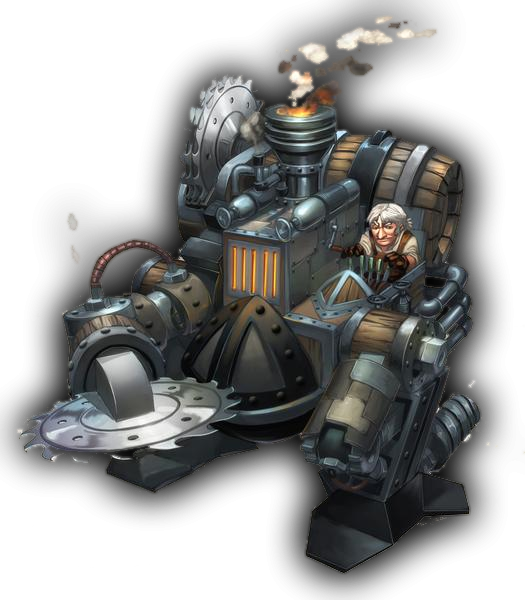
Each gnome belongs to a guild chat perpetuates its own peculiar branch of technology. These guilds include. but arc not limited to. the following:
Hydraulics
Aerodynamics
Chemistry
Communication
Kinetics
Hydrodynamics
Thermodynamics
Trans portation
Appliances
Architecture
All gnomes belong to a guild. Each guild has innumerable committees chat oversee individual accompli hmcnts (seldom) and seek to discover the cause of a system failure (often ). These committees also oversee the required duties of a gnome within the structure of gnomish society.
In addition to any regular duties that a gnome has to his guild or committee, each gnome has a Lifequest. This Lifequest is to attain perfect understanding of one device. Few gnomes have ever attained this goal. Thus tinkers are the perpetually unfulfilled . never attaining that total knowledge of their devices.
Gnomish inventions are almost exclusively driven by basic mechanical devices: gears. windmills. waterwheels, pulleys. and screws.
Gnomes have done elementary work in steam and chemical combustion (usually with catastrophic results). but know next to nothing about electricity. Clockwork mechanrsms are a relatively recent development of gnomish society.
Moreover, their sheer love for technology often does them a disservice, for they improve technological devices to death. Simple mechanisms are scoffed at by tinkers ("Nothing so simple could possibly work !") and redundancy is the tinker watchword (" ... and here we see the bell that informs us that the alarm system trouble gong has just gone off .... ").
* There can be only one Master Craftsgnome in any colony of gnomes at a given time. In a colony that al ready has a Master Crafts gnome, any gnome who has the experience to become 15th level may do so, but he does not gain the tide of Master Craftsgnome.
Tinkers are gnomes and gnomes are tinkers. It is their gift and curse to be the masters or pawns of technology (depending upon whom you ask) in a world where magic is the ruling force.
Tinkers arc the engineers of Krynn. That which has not been built, tinkers build. That which has been bu ilt , tinkers improve. They arc constantly designing. bui lding , and testing devices for a variety of applications.
Tinkers arc the engineers of Krynn. That which has not been built, tinkers build. That which has been bu ilt , tinkers improve. They arc constantly designing. bui lding , and testing devices for a variety of applications.
Each gnome belongs to a guild chat perpetuates its own peculiar branch of technology. These guilds include. but arc not limited to. the following:
All gnomes belong to a guild. Each guild has innumerable committees chat oversee individual accompli hmcnts (seldom) and seek to discover the cause of a system failure (often ). These committees also oversee the required duties of a gnome within the structure of gnomish society.
In addition to any regular duties that a gnome has to his guild or committee, each gnome has a Lifequest. This Lifequest is to attain perfect understanding of one device. Few gnomes have ever attained this goal. Thus tinkers are the perpetually unfulfilled . never attaining that total knowledge of their devices.
Gnomish inventions are almost exclusively driven by basic mechanical devices: gears. windmills. waterwheels, pulleys. and screws.
Gnomes have done elementary work in steam and chemical combustion (usually with catastrophic results). but know next to nothing about electricity. Clockwork mechanrsms are a relatively recent development of gnomish society.
Moreover, their sheer love for technology often does them a disservice, for they improve technological devices to death. Simple mechanisms are scoffed at by tinkers ("Nothing so simple could possibly work !") and redundancy is the tinker watchword (" ... and here we see the bell that informs us that the alarm system trouble gong has just gone off .... ").
| Level | Title |
| 01 | Aide 5th |
| 02 | Aide 4th |
| 03 | Aide 3rd |
| 04 | Aide 2nd |
| 05 | Aide 1st |
| 06 | Mate 2nd |
| 07 | Mate 1st |
| 08 | Tinker |
| 09 | Master Tinker |
| 10 | Craftsgnome |
| 11 | Craft Master |
| 12 | Head Tinker |
| 13 | Head Tinker |
| 14 | Head Tinker |
| 15 | * Master Craftsgnome |
| 16 | * Master Craftsgnome |
| 17 | * Master Craftsgnome |
| 18 | * Master Craftsgnome |
| 19 | * Master Craftsgnome |
| 20 | * Master Craftsgnome |
Desinging an Invention
Calculating the Device Complexity Value
To create a gnomish device, follow these steps:
1. Will it do damage, or protect from damage?
If the answer is NO then move onto the next question.
2. Dose it move something or itself Vertically?
If the answer is NO then move onto the next question.
3. Dose it move something or itself Horizontally?
If the answer is NO then move onto the next question.
4. Dose it suppress / generate any intentional sound / music?
If the answer is NO then move onto the next question.
5. Dose it alter or change Temperature of a object or its surroundings?
If the answer is NO then move onto the next question.
6. Dose it alter or change the Atmosphere Environment?
If the answer is NO then move onto the next question.
7. Dose it generate or change the Lighting in the area?
If the answer is NO then move onto the next question.
8. Dose it generate any form of communication / information output?
If the answer is NO then move onto the next question.
9. Dose it alter or change an object?
If the answer is NO then move onto Building the Device.
* the complexity score is the determined as the higest value concluded from any of the above questions, +1 for any other 'YES' answered to any other question above.
Whenever a player wishes to create a technological device, he is required to design it himself with the following procedure.
The DM is, of course, free to check the work and make any modifications he deems necessary.
The DM is, of course, free to check the work and make any modifications he deems necessary.
To create a gnomish device, follow these steps:
1. Will it do damage, or protect from damage?
If the answer is NO then move onto the next question.
2. Dose it move something or itself Vertically?
If the answer is NO then move onto the next question.
3. Dose it move something or itself Horizontally?
If the answer is NO then move onto the next question.
4. Dose it suppress / generate any intentional sound / music?
If the answer is NO then move onto the next question.
5. Dose it alter or change Temperature of a object or its surroundings?
If the answer is NO then move onto the next question.
6. Dose it alter or change the Atmosphere Environment?
If the answer is NO then move onto the next question.
7. Dose it generate or change the Lighting in the area?
If the answer is NO then move onto the next question.
8. Dose it generate any form of communication / information output?
If the answer is NO then move onto the next question.
9. Dose it alter or change an object?
If the answer is NO then move onto Building the Device.
* the complexity score is the determined as the higest value concluded from any of the above questions, +1 for any other 'YES' answered to any other question above.
Building the Device
Device Construction
Cost of Construction
Once the Complexity Value has been determined it is subjected to the following modifiers:
Cost of Construction
Every good invention requires a cost in parts (cogs, gears, springs, belts, etc.) and time to build, this is determined by the resulting Complexity Value Result:
Invention Mishap
Device Testing
Whenever a Gnome device is used the player must make a DC against the Complexity Value Result with his added Wisdom bonus. On a success the device works as intended. on a fail the DM must roll on the Invention Mishap Table below:
Theft vs. Handling
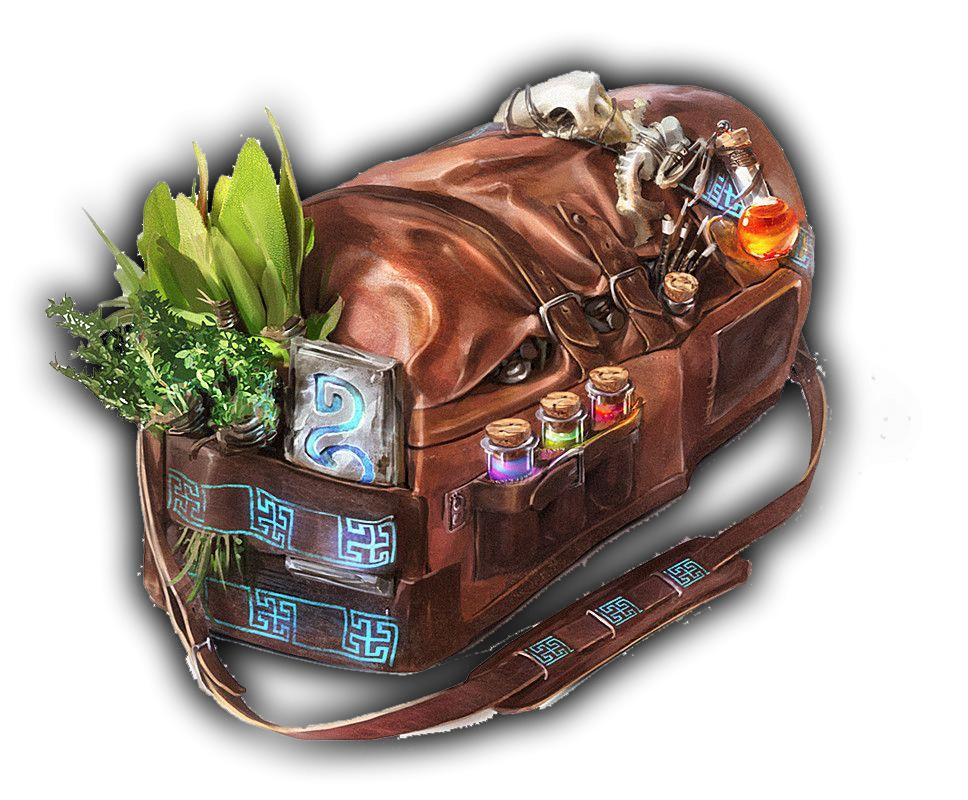
The kender concept of personal property and theft deserves special attention. Because many kender develop thieving talents, most people assume they are merely innocent looking but sneaky burglars. This is just not so. The intense curiosity that kender feel feeds their desire to know how locks can be opened, how to approach people unseen and listen in on their conversations, and how to reach into pockets or pouches to find interesting things.
Kender do not steal for the sake of profit. First of all, they have little concept of value. Faced with a choice between a 2,000 steel piece diamond and a huge, glittering chunk of purple glass, 90 kender out of 100 will take the glass. (The rest will take both but will get rid of the diamond first.) They pick things up out of curiosity and wander off with them.
Sometimes the owner of an item leaves before the kender can give the item back, or else the kender becomes enchanted with the item and forgets to return it. While adventuring, a kender regards anything found in an enemy stronghold as fair game for picking up, as such items are marvelous curios and might prove useful later on.
On the other hand, kender, like everyone else, do not like the idea of someone deliberately taking an item from someone else without the latter's permission. To be called a thief is still considered a base insult. This assertion sounds remarkable in view of the fact that kender constantly borrow things from each other and from visitors (without asking) in their communities. Kender don't regard their idea of borrowing as stealing, however. If they need something, they'll take it. If they see something interesting, they'll pick it up and pocket it. A popular proverb defines a kender heirloom as anything that remains for more than three weeks inside a kender's home.
Kender Pockets
A kender may use a bonus action to activate his Kender Pockets.He / She rolls 1D20 to determin the category of item, followed by a 2D8 (rolled individually) to pull out a random item from thier own pocket. A natural 1 is always a panic fail, as the Kender thinks he has lost something important.
| 1d20 | Item Category |
| 01 | Kender thinks he has lost something and begins to panic. |
| 02 - 10 | A Brocken or Damaged Item. |
| 11 - 15 | A normal or general item. |
| 16 - 19 | A personal item of value to someone else. |
| 20 | * A Magical Item (which is a suprise to everyone, including the kender.) |
Random Items Table
Random Item - Pulled from pocket.
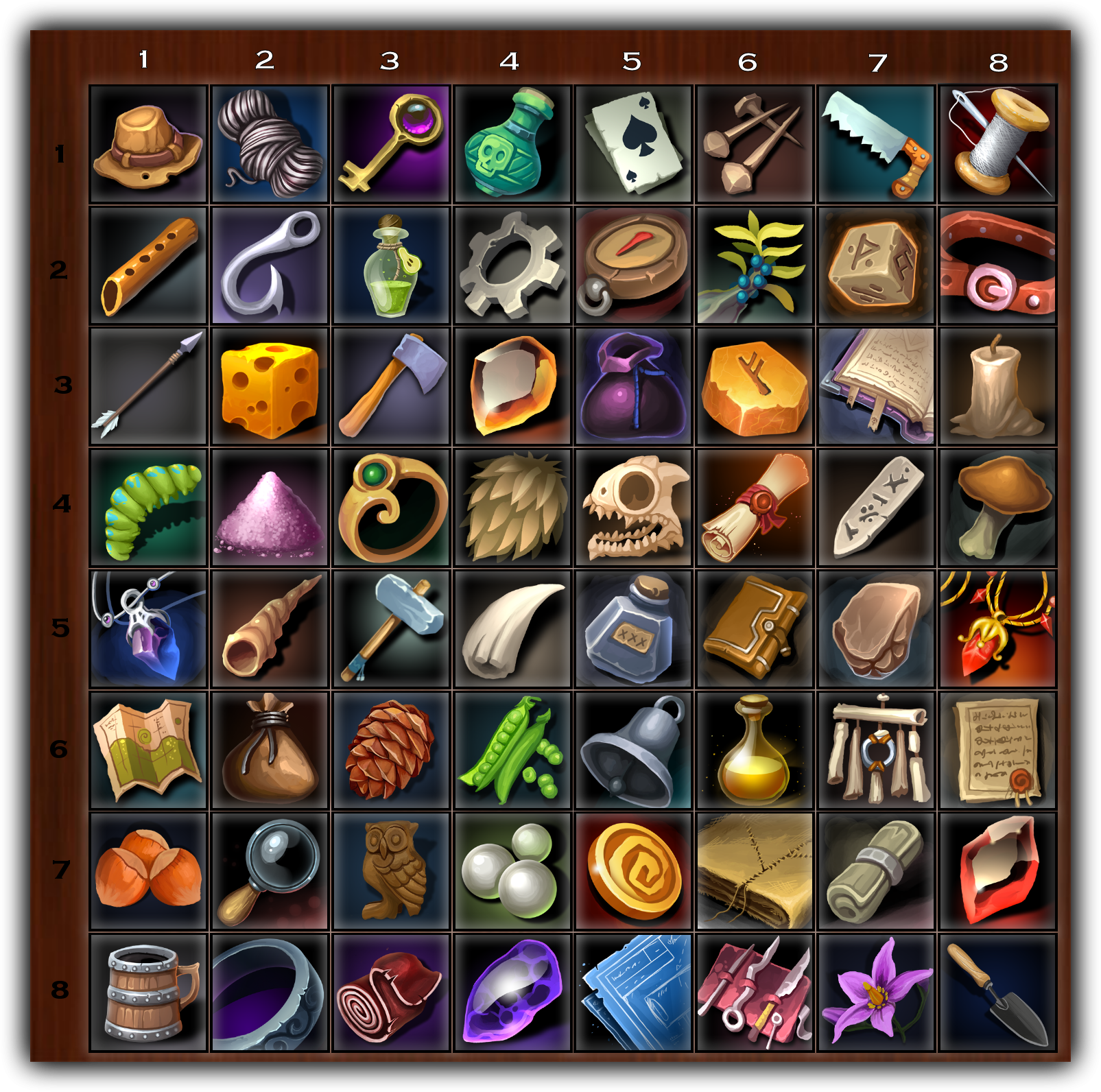
Once the category of item has been decided, the player is then asked to roll 2x 1d8. The results a cross referenced on the table below. - (First White and then Black).
* The descriptions for each item can be located in the Random Items List.
* The descriptions for each item can be located in the Random Items List.
Random Items List
Random Items - Descriptions.
Below is a complet list of items that can be pulled from the Kenders Pockets.
(an additional dice may be required to be rolled to help define more details surrounding the item pulled form the pocket.)
*Special - DM is free to produce anouther similar item as required.
Below is a complet list of items that can be pulled from the Kenders Pockets.
(an additional dice may be required to be rolled to help define more details surrounding the item pulled form the pocket.)
| White 1 | White 2 | White 3 | White 4 | White 5 | White 6 | White 7 | White 8 | |
| Black 1 | Hat (1d4) - 1 straw, 2 cloth, 3 wool, 4 leather. |
String (1d6 x10) - # of feet long. |
Key (1d4) - 1 iron, 2 copper, 3 brass, 4 iron. |
Poison (1d4) - 1 weak acid, 2 acid, 3 weak poison, 4 poison. |
Playing Card (1d6) - 1 Swords, 2 Crowns, 3 Roses, 4 Stars, 5 Moons, 6 Dragons. |
Nails (1d20) - # in total all iron. |
Saw - wood working tool. |
Needle & Thread (1d6 x10) - # of feet long. |
| Black 2 | Flute (1d4) - 1 wooden, 2 brass, 3 silver, 4 clay. |
Fish hooks (1d8) - # in total. |
Cleric potion (1d4) - 1 green, 2 blue, 3 red, 4 purple. |
Tinkers part (1d6) - 1 cog, 2 spring, 3 clamp, 4 piston, 5 socket, 6 unknown. |
Compass - brass. |
Berries (1d20) - # in total. |
Rune Dice (1d4) - 1 bone, 2 wood, 3 clay, 4 stone. |
Belt (1d4) - 1 blue, 2 black, 3 brown, 4 green. |
| Black 3 | Arrows (1d4) - # in total. |
Cheese (1d4) - 1 soft, 2 hard, 3 sheep, 4 goat. |
Axe (1d4) - 1 crafting, 2 hand, 3 throwing, 4 wood axe. |
Yellow gem (1d4) - 1 amber, 2 citrine, 3 heliodor, 4 tourmaline. |
Pouch (1d4) - 1 cloth, 2 silk, 3 velvet, 4 leather. |
Rune Stone (1d6) - 1 light, 2 dark, 3 water, 4 fire. 5 earth, 6 air. |
Book (1d4) - 1 diary, 2 fiction, 3 non-fiction, 4 *special. |
Candels (1d6) - # in total. |
| Black 4 | Insect Lavi (1d10) - # in total. |
Powder (1d6) - 1 salt, 2 chalk, 3 spice, 4 tea, 5 sand, 6 *special. |
Ring (1d4) - 1 copper, 2 brass, 3 silver, 4 gold. |
Fur (1d6) - 1 rabbit, 2 wolf, 3 bear, 4 deer, 5 beaver, 6 fox, |
Skull (1d4) - 1 animal, 2 bird, 3 reptile, 4 humanoid, |
Wizard Scroll (1d6) - 1 Alteration, 2 Divination, 3 Conjuration, 4 Illusion, 5 Evocation, 6 Transmutation. |
Cleric Symbol (1d6) - 1 Paladine, 2 Mishakal, 3 Gilean, 4 Chislev, 5 Takhisis, 6 Chemosh. |
Mushrooms (1d6) - # in total. |
| Black 5 | Pendant (1d4) - 1 Silver, 2 Gold, 3 Gem, 4 Shell, 5 Bone, 6 Wooden. |
Sea Shells (1d8) - # in total. |
Hammer (1d4) - 1 Silver, 1 Stone, 1 Wooden, 1 Iron. |
Tooth Fang (1d6) - 1 Shark, 2 Horse, 3 Humanoid, 4 Wolf. 5 Snake. 6 Spider. |
Ink Pot (1d6) - 1 Black, 2 Blue, 3 Green, 4 Red. 5 Silver. 6 Gold. |
Wallet / Purse (1d4) - 1 Cloth, 2 Felt, 3 Leather, 4 Silk. |
Pebbles (1d4) - # in total. |
Necklass (1d4) - 1 Leather, 2 Copper, 3 Silver, 4 Gold. |
| Black 6 | Map (1d4) - 1 Local, 2 Ancient, 3 Hand Drawen, 4 *Special. |
Money Bag (1d4) - 1 Copper, 2 Silver, 3 Steel, 4 Gems. |
Pine Cones (1d6) - # in total. |
Vegtables (1d6) - 1 Peas, 2 Turnips, 3 Radishes, 4 Potatoes, 5 Peas, 6 Chillies. |
Bell (1d4) - 1 Brass, 2 Iron, 3 Copper, 4 Steel. |
Wizard Potion (1d6) - 1 Red, 2 Orange, 3 Yellow, 4 Green 5 Blue, 6 Purple. |
Wind Chime (1d4) - 1 Brass, 2 Wooden, 3 Copper, 4 Glass. |
Documents (1d6) - 1 Debt Letter, 2 Invitation, 3 Last Will, 4 Credit Letter 5 Love Letter, 6 Diary Page. |
| Black 7 | Nuts (1d8) - # in total. |
Spy Glass Brass. |
Wooden Toy (1d6) - 1 Bird, 2 Waggon, 3 Fish, 4 Person 5 Dragon, 6 Animal. |
Pearls (1d4) - # in total. |
Coins (1d8) - # in total. |
Fabric (1d6) - 1 Green, 2 Brown, 3 Orange, 4 Red 5 Yellow, 6 Blue. |
Cleric Scroll (1d4) - 1 Good, 2 Neutral, 3 Evil, 4 *Special. |
Red gem (1d4) - 1 Ruby, 2 Agate, 3 Garnet, 4 Eudialyte. |
| Black 8 | Tankard (1d4) - 1 Horn, 2 Wooden, 3 Clay, 4 Copper. |
Bracelet (1d4) - 1 Copper, 2 Silver, 3 String, 4 Gold. |
Ribbon (1d6) - 1 Red, 2 Silver, 3 Gold, 4 Blue 5 Black 6 White. |
Purple gem (1d4) - 1 Amethyst, 2 Chalcedony, 3 Sapphire, 4 Iolite. |
Tinkers Blueprints (1d4) - 1 Easy, 2 Normal, 3 Complex, 4 All Out Crazy. |
Tool Kit (1d4) - 1 Jewlers, 2 Thiefs, 3 Crafters, 4 Tinkers. |
Flower (1d6) - 1 Red, 2 Blue, 3 White, 4 Orange 5 Pink 6 Green. |
Hand Trowel - Iron. |
The Order
Before the Cataclysm, the Knights of Solamnia were the greatest order of chivalry in Ansalon. Between the Cataclysm and the War of the Lance, the knights became reviled and scorned by the people for their inability or unwillingness to combat the Cataclysm. Since the War of the Lance, the Solamnic Knights have regained-or begun to regain-their former status. They seek to revive their code of honor and apply it to the new Ansalon.
The organization of the Knighthood has changed little from the Age of Might. The Great Circle of the Knighthood has long since been moved from Vingaard Keep to its current home at Whitestone Glade on Sancrist, with Castle Wistan nearby.
The Knighthood is ruled by the Lord of Knights. This position, however, has been left vacant since the time of the Cataclysm due primarily to the difficulties in calling a Grand Circle of Knights together in sufficient numbers to elect a Knight from eligible candidates. With the reestablishment of order throughout the continent of Ansalon, the day of appointment will soon be at hand. The position must be filled by one of the High Knights: either the High Warrior, the High Clerist, or the High Justice. At least 75 % of the established Circles of Knights must send two representatives to vote at the Grand Circle. Once appointed, the Lord of Knights serves for life unless he is found guilty of a breach of honor by a Knightly Council.
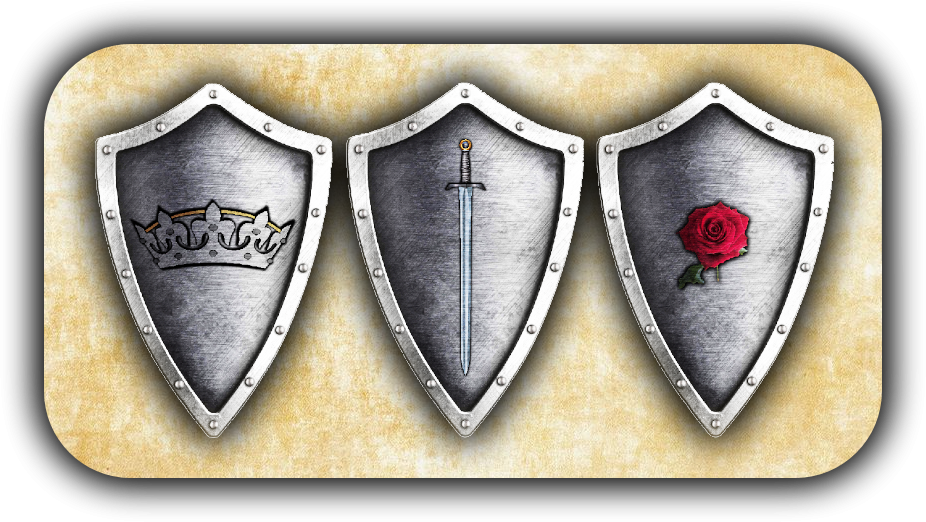
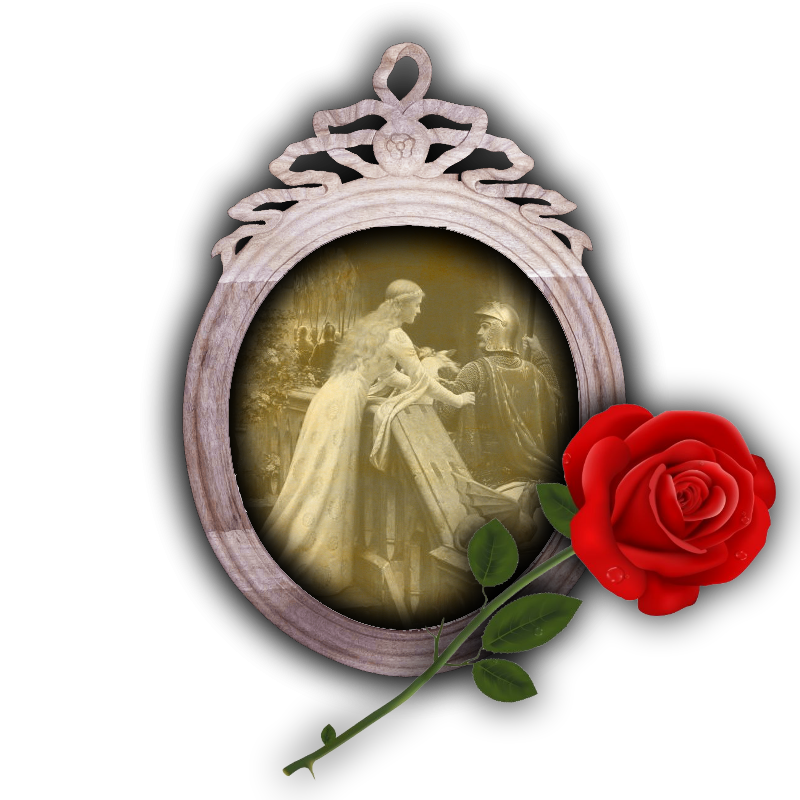
The will of the Lord of Knights is carried out by the High Knights through their respective Orders. The High Warrior commands the Order of the Rose; the High Clerist commands the Order of the Sword; and the High Guardian commands the Order of the Crown. These are nominated and elected by members of their own Orders without influence from the other two orders. All Knightly Councils, however, must be led by a contingent of three ranking knights, one from each of the Orders of Knighthood.
Individual cells of knights exist throughout Ansalon. Some of these are in touch with the Grand Circle in Sanctist, but many still are not. These groups of Knights exist permanently in most townships and all cities throughout the continent. They are there to give aid and receive the pledge of any local Knights of Solamnia. Some of these Circles exist openly and are easy to find. Such Circles are found in Sancrist, Palanthus, and other places where the Knighthood has always been welcome. In places where the Knighthood is still viewed suspiciously (such as Nordmaar or Tarsis) or even banned (as in any lands under Dragon Highlord control), these Circles exist clandestinely and their meetings are held in secret.
Origin and History
The Organization of the Knighthood
Motto and Laws
Circles of Knighthood
The Knightly Council
Knights of the Crown
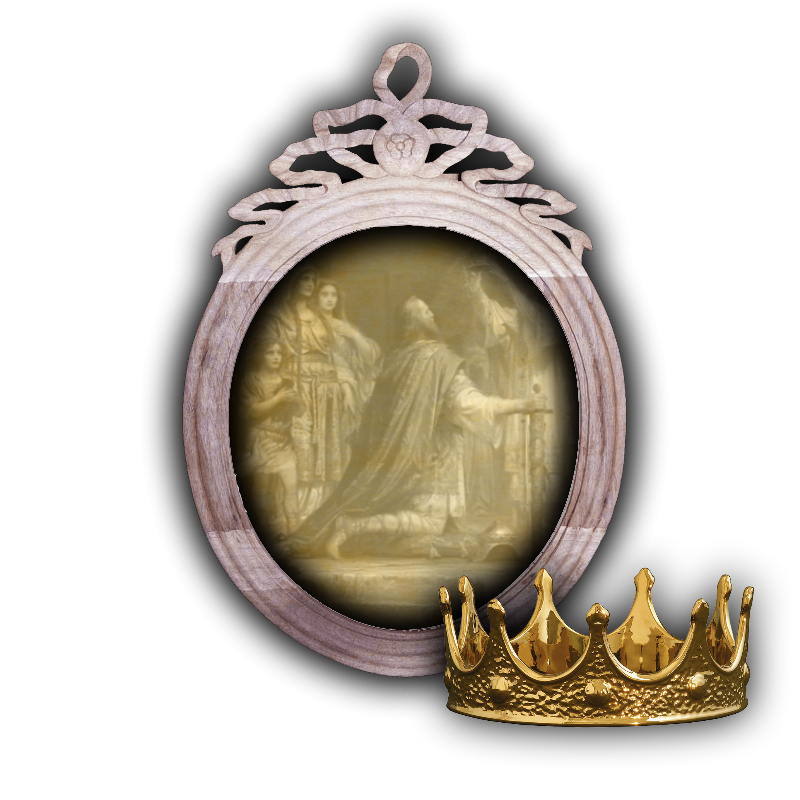
Loyalty and obedience epitomize the Knights of the Crown.
Loyalty is unquestioning faithfulness to the cause of a higher power. Knights of the Crown view loyalty as a tribute to be justly and voluntarily rendered. The Order of the Crown renders loyalty to the order’s founding god Habbakuk, to those who suffer under evil’s weight, and to rulers who, by decree of the Knightly Council, deserve the knights’ protection. The list of approved rulers is called the List of Loyalty.
Obedience is the practical manifestation of loyalty. A Knight of the Crown unquestioningly obeys those on the List.
The specific responsibilities of a Knight of the Crown include tithing income, aiding any knight who requires help, and service to the nations on the List of Loyalty.
Loyalty is unquestioning faithfulness to the cause of a higher power. Knights of the Crown view loyalty as a tribute to be justly and voluntarily rendered. The Order of the Crown renders loyalty to the order’s founding god Habbakuk, to those who suffer under evil’s weight, and to rulers who, by decree of the Knightly Council, deserve the knights’ protection. The list of approved rulers is called the List of Loyalty.
Obedience is the practical manifestation of loyalty. A Knight of the Crown unquestioningly obeys those on the List.
The specific responsibilities of a Knight of the Crown include tithing income, aiding any knight who requires help, and service to the nations on the List of Loyalty.
Becoming a Crown Knight: All who wish to become Solamnic Knights must first enter the knighthood as squires of the Knights of the Crown, regardless of which order the knight intends to eventually join.
Because their order is the easiest to follow, Knights of the Crown advance more quickly than other knights.
Candidates for the Solamnic Knighthood must be presented to a Knightly Council and be sponsored by a Knight in good standing from any of the Orders of Knighthood. After the entire group of candidates is presented, the group swears an oath to the honor of the Knighthood and to the causes of the Crown. All swear allegiance to the Order and the ideals of the Knights of Solamnia.
If there is no dissent from the Knights, and no question of honor regarding the candidates is brought forth, then all are accepted into the Knighthood as squires. Any question of honor of an individual requires that the individual be removed from the group of candidates and be questioned separately after the rest of the candidates are accepted. If the question of honor is dismissed, then the candidate is accepted normally. If the question is found valid in the Council, then the candidate is dismissed until the question of honor is satisfied.
Knights of the Crown advance in power more quickly than the other Knights, partly due to the fact that their order is less demanding than the others. While this benefit is certainly a good one, it is also true that their special powers are quite limited.
Knights of the Crown are sworn to protect, serve, and give aid to any kingdom on the List of Loyalty. This list is maintained by the three High Knights and is updated periodically.
The Knights are not requited to follow the commands or laws of these kingdoms should they be out of harmony with the Code or the Measure. This rule holds true for members of all the Knighthoods.
The Order of the Crown takes its Measure from matters of loyalty and obedience to authority of the greater Knighthood through its High Councils and commanders. Examples of acts befitting the Measure of the Crown: unquestioned obedience to those whose authority is righteously maintained in the Knightly Councils. dedication to the ideals of the Measure, loyalty to brother Knights of all Orders, and all other acts that cause the strengthening of loyalty among the Knights.
Crown Knight Title Table
Knights of the Sword
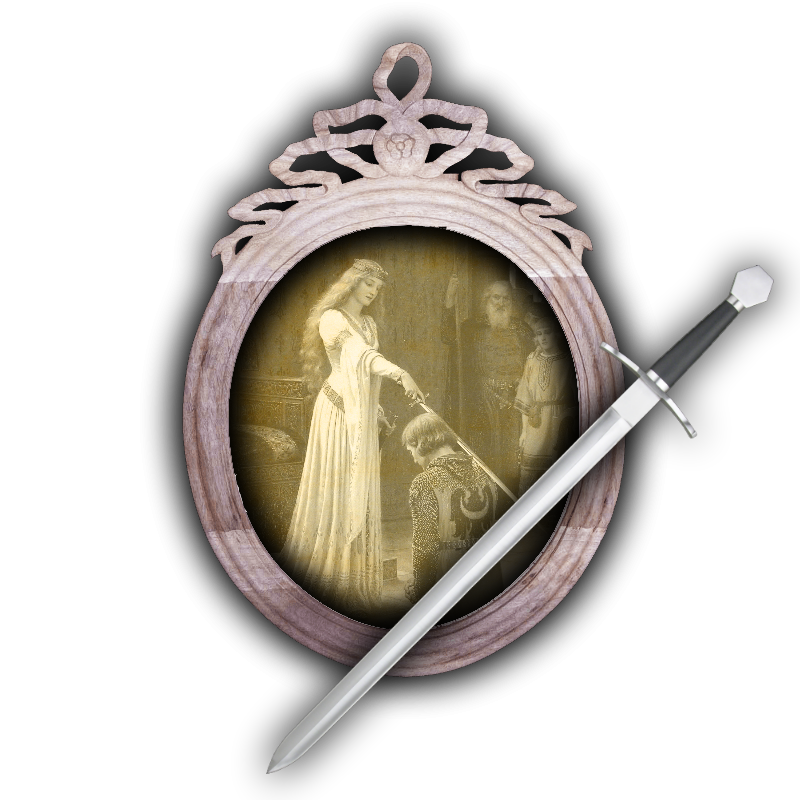
Knights of the Sword act as warriors for the gods of good, upholding
the purest ideals of heroism and courage.
Heroism is the self-sacrificial fight for the cause of Good. Heroic deeds include strengthening the weak, enriching the poor, freeing the enslaved, exonerating the falsely accused, championing the defenseless, and aiding fellow knights in need.
Courage is the readiness to die honorably in the fight for Good. Courageous acts include facing evil fearlessly, defending the honor of the knighthood, defending the honor of a fellow knight, and protecting the defenseless and weak.
A Knight of the Sword must surrender all personal wealth to the knightly coffers (save what is needed for upkeep), pay homage to Kiri-Jolith and the gods of good each day, eagerly engage evil opponents in combat (not retreating regardless of the enemy’s strength), protect the weak and defenseless, and forswear use of knightly powers for unrighteous reasons.
Heroism is the self-sacrificial fight for the cause of Good. Heroic deeds include strengthening the weak, enriching the poor, freeing the enslaved, exonerating the falsely accused, championing the defenseless, and aiding fellow knights in need.
Courage is the readiness to die honorably in the fight for Good. Courageous acts include facing evil fearlessly, defending the honor of the knighthood, defending the honor of a fellow knight, and protecting the defenseless and weak.
A Knight of the Sword must surrender all personal wealth to the knightly coffers (save what is needed for upkeep), pay homage to Kiri-Jolith and the gods of good each day, eagerly engage evil opponents in combat (not retreating regardless of the enemy’s strength), protect the weak and defenseless, and forswear use of knightly powers for unrighteous reasons.
Becoming a Sword Knight: Upon completing duties as a Defender of the Crown (lvl 2), a knight may continue in that order or apply to the Order of the Sword. Each candidate for the Order of the Sword must complete a quest that promotes the cause of the order. The quest must be a witnessed (or otherwise verifiable) deed of heroism that exemplifies knightly honor and goodness. The quest must include a 30-day and 500 mile journey, the restoration of something that was lost, single combat with an evil and equally matched opponent, and three tests of wisdom, one of generosity, and one of compassion.
After the quest is completed, the knight appears before a Knightly Council, telling of the quest and presenting evidence. If the presiding High Clerist finds the tale and deed acceptable, the candidate takes the Oath.
Knigts of the Sword honor the True Gods, learning clerical disciplines. Through these disciplines, Knights of the Sword receive from the gods magical healing abilities, limited foresight, and prophecy. Before the Cataclysm, these special abilities made Sword Knights a welcome sight. Now, the knights’ powers may be considered sorcery in some areas, and punished by death.
Knights of the Sword gain clerical spells by spending a holy day in fasting and prayer. When a knight joins the order, he selects a holy day, designating it for worship and meditation. During devotions on that day, the knight asks his god to grant him the ability to do miracles in his name.
During the holy day, the knight cannot do battle, earn profit, or speak harshly to anyone. The knight cannot travel unless in silence, and must spend three hours in solitude and meditation. The books of the Measure claim that no beast will attack a Sword Knight on a holy day as long as the knight remains true.
 The Wizards
 The Test of High Sorcery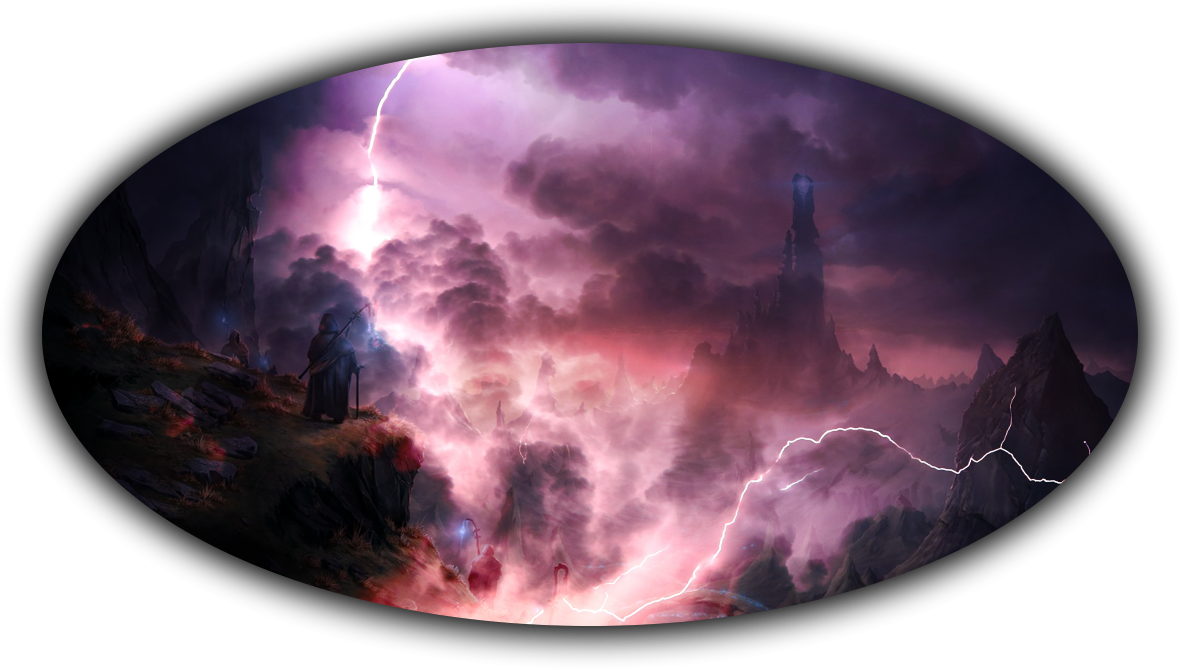
 The Apprentice
 The White Robes
 The Red Robes
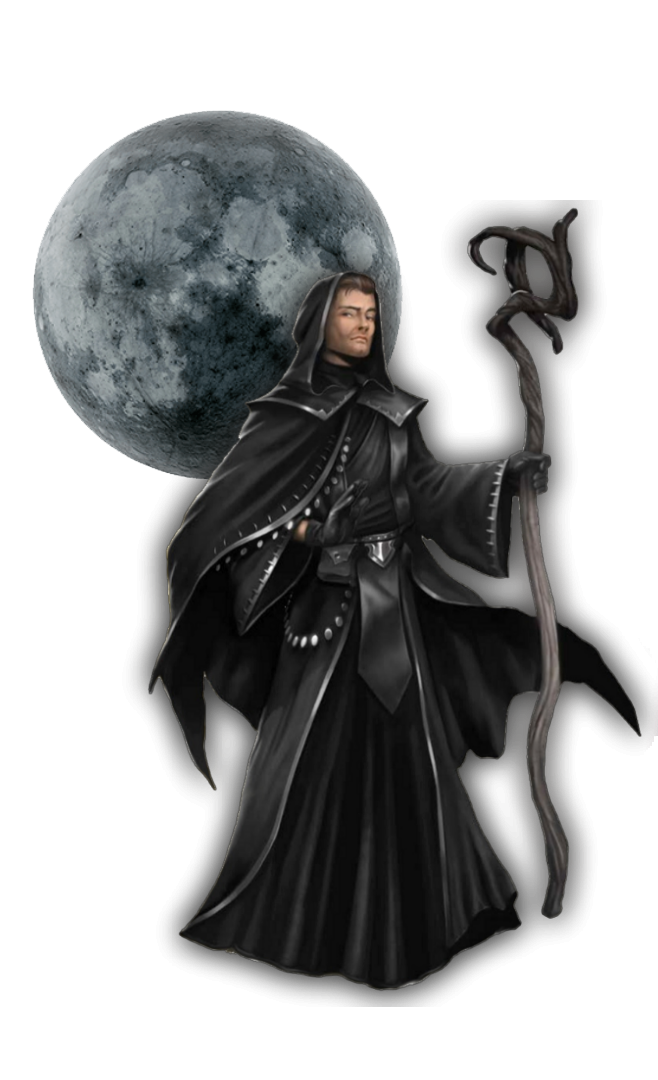 The Black Robes